

Which Termite Treatment Works Best for Long-Term Protection?

What Is the Best Solution for Commercial Pest Control in Melbourne?
June 21, 2025
Why Is a Pre Purchase Building and Pest Inspection in Melbourne Crucial Before You Buy a Home?
July 6, 2025
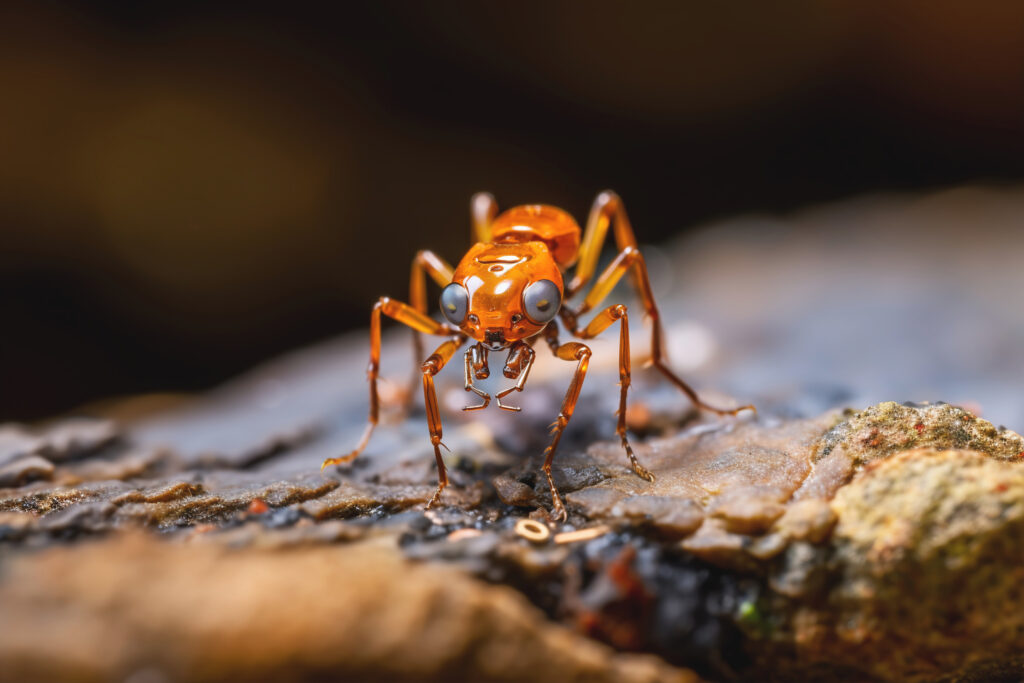
There’s a reason homeowners fear the word “termites.” It’s not just about damage it’s about the silent fear of losing something you’ve built with love. Wooden walls, floors, beams, even the very bones of your house they all become vulnerable once termites move in. And the worst part? You may not see the damage until it’s too late. That’s why finding the right termite treatment isn’t just smart it’s essential.
At All Over Pest Solutions, we understand how devastating it feels to discover termite damage in your home. That helpless feeling of knowing they’ve been eating away at your safety for weeks or even months. But there’s good news: with the right treatment for termites, you can not only stop the invasion—you can prevent it from ever happening again.
Understanding the Problem You Can’t See
Termites are expert invaders. They hide deep within walls, crawl silently through soil, and never rest. Unlike many pests, they don’t leave a mess you can sweep up—they leave behind emptiness. The wood looks normal until you tap it, and it sounds hollow. Sometimes you’ll see mud trails on your walls or find discarded wings near windows. These signs are subtle but alarming.
The emotional weight of termite damage goes far beyond physical repairs. There’s a sense of betrayal—how could this happen in your own home, right under your nose? That’s why we treat every client’s home like it’s our own, with a sense of urgency, care, and commitment to long-term security.
Choosing the Right Termite Treatment: What Truly Works
Over the years, pest control companies have developed several methods to fight termites. But which termite treatment truly works best for long-term protection? The answer lies in using multiple strategies together. A single spray or bait station isn’t enough. Real, lasting protection comes from a combination of defense, destruction, and prevention.
One of the most reliable solutions is the liquid soil barrier. It acts like an invisible shield around your home, keeping termites out and killing those that try to sneak in. This method is powerful and long-lasting—some applications can protect your home for up to ten years. It’s the frontline defense that every high-risk home should have.
Next is the baiting system, a smart and effective solution that targets the heart of the problem—the colony itself. Termites feed on the bait and carry it back to their queen, unknowingly poisoning their entire colony. It’s slow but deadly, and the emotional relief homeowners feel when the colony collapses is something you can’t measure in dollars.
We also recommend wood treatment for vulnerable structures like attics, crawl spaces, and old beams. This adds an internal layer of protection, reinforcing the places termites love to hide. For homes with active signs, foam or dust applications may be used in small, targeted areas like wall voids. These fill the gaps and eliminate termites where they live.

Real Protection Comes From Layered Defense
The truth is, no single method is strong enough on its own. The best results come from combining treatments—layering soil barriers, baiting systems, and wood protection together like armor. Just as you wouldn’t rely on one lock to secure your home, you shouldn’t trust just one method to protect it from termites.
Homeowners who go this route experience a deep sense of peace. You can feel it in the way they talk about their homes afterward. There’s no fear of hidden damage or surprise costs. There’s just confidence—and that’s the true value of professional termite control services.
Regular Inspections: The Unsung Hero of Pest Protection
One of the most overlooked but critical parts of treating for termites is regular inspection. Think of it as a wellness check for your home. Even the most powerful treatment can’t guarantee permanent results without consistent monitoring.
Our experts recommend at least one inspection per year—more frequently for older homes or those near wooded areas. During these visits, we look for early warning signs, weakened wood, mud tunnels, and any signs of colony growth. It’s a small effort that pays off in a huge way.
Why DIY Isn’t Enough
It’s easy to think a few sprays from the hardware store will do the trick. But termites are not like ants or cockroaches. They live underground, inside walls, and within the wood itself. Killing a few you can see doesn’t solve the problem. The queen remains untouched, and the colony survives.
Professional termite treatments go beyond the surface. We use advanced tools, deep-penetrating treatments, and years of expertise to ensure that the colony is eliminated and the structure is protected. It’s not just about stopping termites—it’s about making sure they never come back.
Termite Treatment Costs: Investment vs. Risk
Let’s talk numbers. Yes, professional termite treatment comes with a cost. But it’s nothing compared to what termite damage can cost you. Liquid barrier treatments range from $500 to $2,500, while baiting systems can be $1,000 to $3,500 depending on the size of the home. Spot treatments and foam applications are usually lower, between $300 and $800.
Now compare that to the average cost of repairing severe termite damage—anywhere from $5,000 to $30,000 or more. And that’s not counting the emotional toll of seeing your home torn apart.
A Bonus Benefit: Keep Other Pests Away Too
What many homeowners don’t realize is that termite treatments often overlap with protection against other pests. For instance, when you use a liquid treatment or bait system, you also discourage rodents, ants, and spiders from making your home theirs.
That’s why many of our clients choose a complete solution that includes mosquitoes pest control, spider pest control, and rodent and pest control along with termite protection. It saves time, money, and most importantly—keeps your home peaceful and pest-free.
Simple Habits That Help Protect Your Home
Here are small changes you can make that go a long way:
Fix leaking taps or pipes to reduce moisture
Don’t store firewood or mulch close to your house
Keep gutters clean and direct water away from the foundation
Trim trees and shrubs that touch the roof or walls
Seal cracks in walls, vents, and crawl spaces
Prevention is powerful. A few proactive steps today can prevent heartbreak tomorrow.
Thinking About Buying a Home? Don’t Skip the Inspection
Before you sign the dotted line on your dream home, make sure you know what’s hiding beneath the surface. A pre purchase building and pest inspection Melbourne is one of the smartest choices you can make. It uncovers hidden damage and gives you the chance to negotiate or walk away.
The emotional and financial safety that comes from a clean report is priceless. It gives you confidence that the home you’re buying is strong, secure, and ready for the future.
FAQ: Honest Answers for Curious Homeowners
How long does termite treatment last?
Most liquid treatments last between 5 to 10 years. Baiting systems work best with continuous monitoring every 3–6 months.
Is termite treatment safe for pets and kids?
Yes. When done professionally, the products used are safe and approved for residential use.
Do termites ever come back?
They can—but regular inspections and layered treatments reduce that risk significantly.
How do I know if my home is high-risk?
If your home is older, made of wood, near trees or moist soil, it may be at higher risk. A professional inspection can confirm this.
Can I treat termites on my own?
You can try, but it’s rarely effective. Termite colonies are complex and often hidden. DIY solutions usually don’t reach the heart of the problem.
Final Thoughts: What You Protect Is More Than Wood
At the end of the day, termite control isn’t about bugs—it’s about protecting what matters most. Your home. Your peace of mind. The memories you’ve built inside those walls. A strong treatment plan gives you more than safety—it gives you freedom from fear.
At All Over Pest Solutions, we don’t just remove termites. We protect homes, restore confidence, and offer lasting peace. If you’re ready to stop worrying and start protecting, we’re ready to help.
Call us today and ask about our full termite and pest control solutions. Let’s make your home safer, stronger, and termite-free—for good.