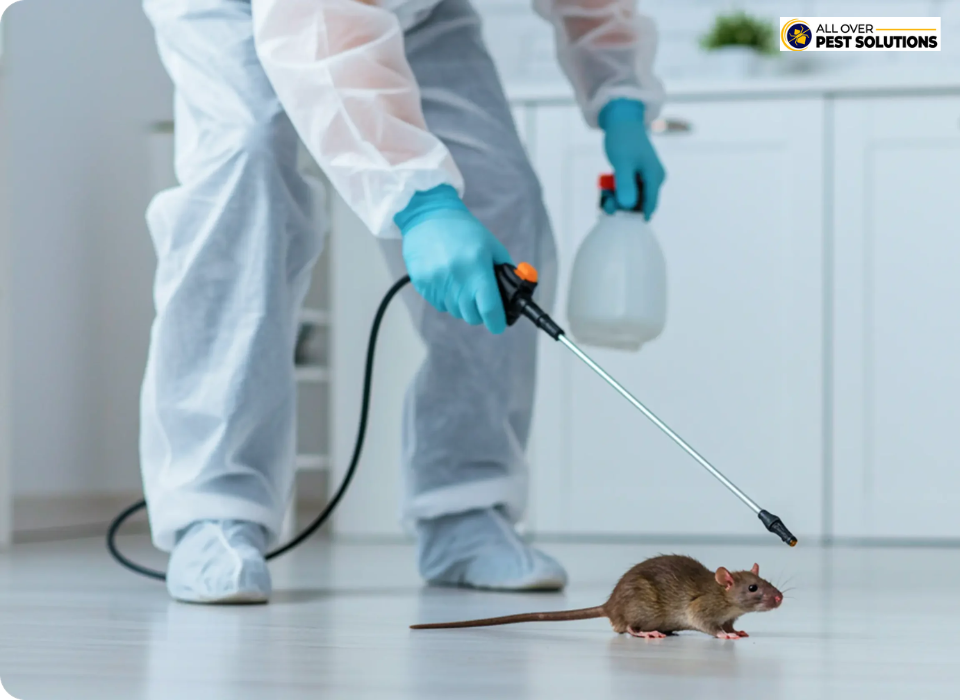

How to Handle a Pest Infestation in Melbourne’s High-Rise Apartments
Why You Should Schedule Seasonal Pest Control in Melbourne
January 18, 2026The Best Eco-Friendly Pest Control Solutions in Melbourne
January 25, 2026
Living in Melbourne’s high-rise apartments offers breathtaking views and modern amenities, but with it comes the unique challenge of pest infestations. While pest control in urban settings can be difficult, high-rise apartments pose specific challenges that require tailored solutions. If you’re dealing with pest issues in high-rise living, it’s crucial to act swiftly and efficiently to protect your health and comfort.
In this Blog, we’ll explore common pests in high-rise buildings, the challenges of apartment pest control, and practical prevention strategies to help you maintain a pest-free home.
Common Pests in High-Rise Buildings
High-rise buildings, though built to withstand many elements, can still be vulnerable to pests. Some of the most common pests found in Melbourne’s apartment complexes include:
Cockroaches
Cockroaches are one of the most persistent pests in high-rise buildings. They thrive in warm, humid environments and are often found in kitchens and bathrooms. Their ability to move between units makes them a frequent problem in high-rise apartments.
Rodents
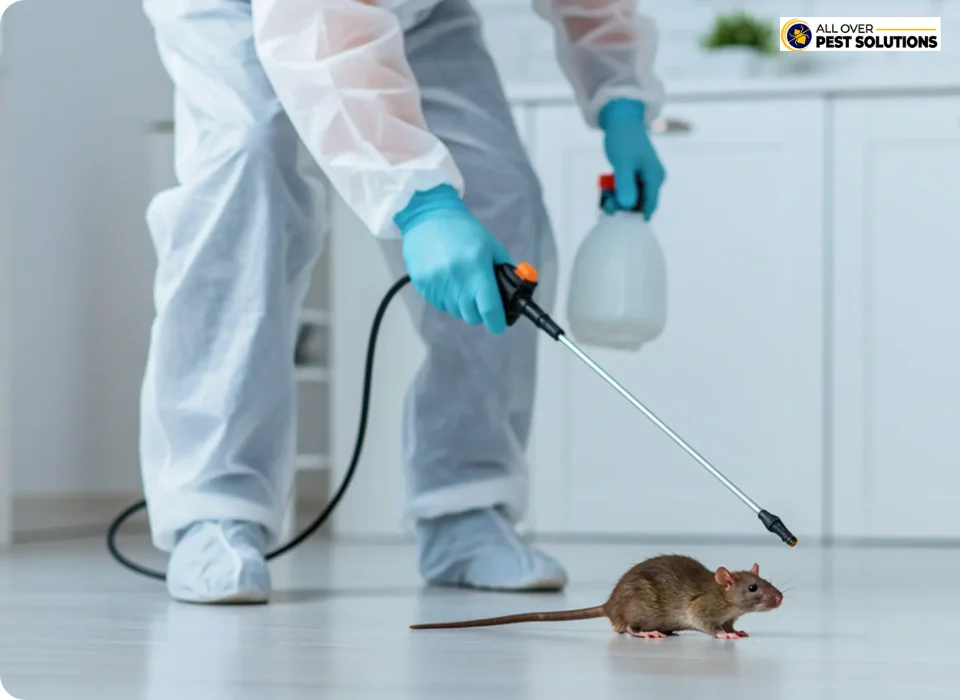
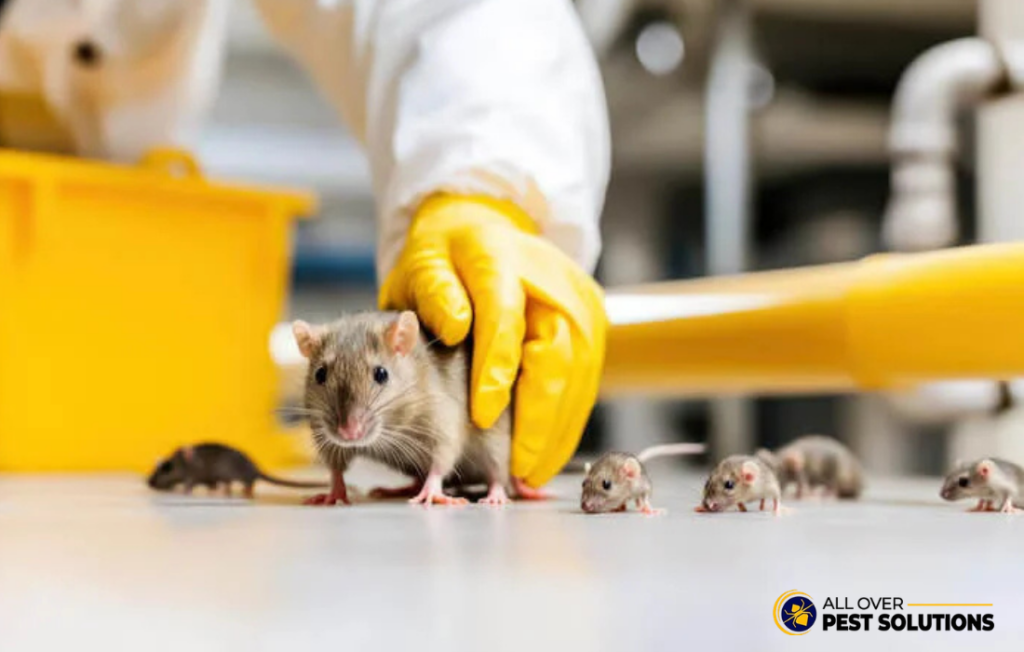
Rodents like rats and mice can enter through small cracks or gaps in the building’s structure. Once inside, they can cause damage to wiring, insulation, and food supplies. High-rise residents often notice them in storage areas, basements, or hallways.
Ants
Ants are another common issue in high-rise apartments. They often infiltrate kitchens, attracted by food crumbs and spills. Certain species, such as the Argentine ant, can easily travel between apartments, spreading infestations quickly.
Bedbugs
Bedbugs are notorious for their ability to hitch rides on furniture, luggage, and even clothing. They can easily spread between apartments, especially in buildings with shared walls, floors, and ceilings. Their bites can cause severe itching and discomfort.
Silverfish
These pests are often found in dark, moist areas like bathrooms, laundry rooms, and basements. Silverfish are nocturnal and can damage personal belongings such as books, clothing, and wallpaper.
Termites
While less common in high-rise buildings compared to ground-level homes, termites can still pose a risk to wooden structures within the building. Their presence can cause significant damage over time, making early detection crucial.
Specific Challenges of Pest Control in Apartments
Managing pest control for high-rise apartments is more challenging than typical home pest control due to the unique features of apartment living. Some specific challenges include:
Shared Walls and Spaces
One of the biggest obstacles in apartment pest control is the shared walls and communal spaces. Pests can easily travel between units through cracks, vents, and plumbing systems. This means that an infestation in one apartment can quickly spread to others, making it difficult to contain the problem.
Limited Access Points
High-rise buildings are often made of concrete, steel, and glass, which can make it harder to access areas where pests may be hiding. For example, pest control teams may have difficulty reaching areas like wall cavities, ceiling voids, or HVAC ducts, where pests often nest.
- Restricted Use of Chemicals
In a high-rise building, there may be restrictions on the types of pest control products that can be used. For example, some chemicals may be prohibited due to their potential to affect air quality or pose a risk to residents. This limits the options for pest control in Melbourne apartment buildings, requiring more targeted and eco-friendly solutions.
Frequent Resident Turnover
High-rise apartments often have a high turnover of residents, which increases the risk of pest infestations. New residents may unknowingly bring pests with them, while previous tenants may have failed to report pest problems before moving out.
Building Maintenance
In older buildings, poor maintenance of common areas such as hallways, storage rooms, and basements can create ideal environments for pests. Issues like water leaks, cracks in the walls, and cluttered storage areas can provide hiding spots for pests.
Prevention Strategies for Apartment Dwellers
While dealing with pests in a high-rise apartment may feel overwhelming, there are several prevention strategies you can adopt to reduce the risk of infestation. Here are some effective methods to keep pests at bay:
Seal Entry Points
One of the first steps in preventing a pest infestation is to seal any cracks, gaps, or holes in your apartment. This includes checking windows, doors, plumbing, and electrical outlets. Make sure that screens on windows and vents are intact and free of holes.
Regular Cleaning
Keeping your apartment clean is crucial in preventing pests. Regularly vacuum floors, clean countertops, and wipe down surfaces. Be particularly diligent in areas where food is stored or prepared, as this is where pests like cockroaches and ants are most likely to be attracted.
Proper Waste Management
Pests are often attracted to food scraps, so it’s essential to dispose of garbage regularly. Use tightly sealed bins, especially for food waste, and ensure that bins in common areas are emptied frequently.
Fix Leaks and Moisture Issues
Many pests, like cockroaches and silverfish, thrive in moist environments. If you have leaky pipes or water damage in your apartment, get them fixed as soon as possible. Keep your bathroom, kitchen, and laundry room dry, and consider using a dehumidifier if needed.
Limit Clutter
Pests like rodents and bedbugs can hide in cluttered spaces. To make your apartment less inviting to pests, minimise clutter and store items in sealed containers. Regularly clean storage areas and discard any unnecessary items.
Professional Pest Control Services
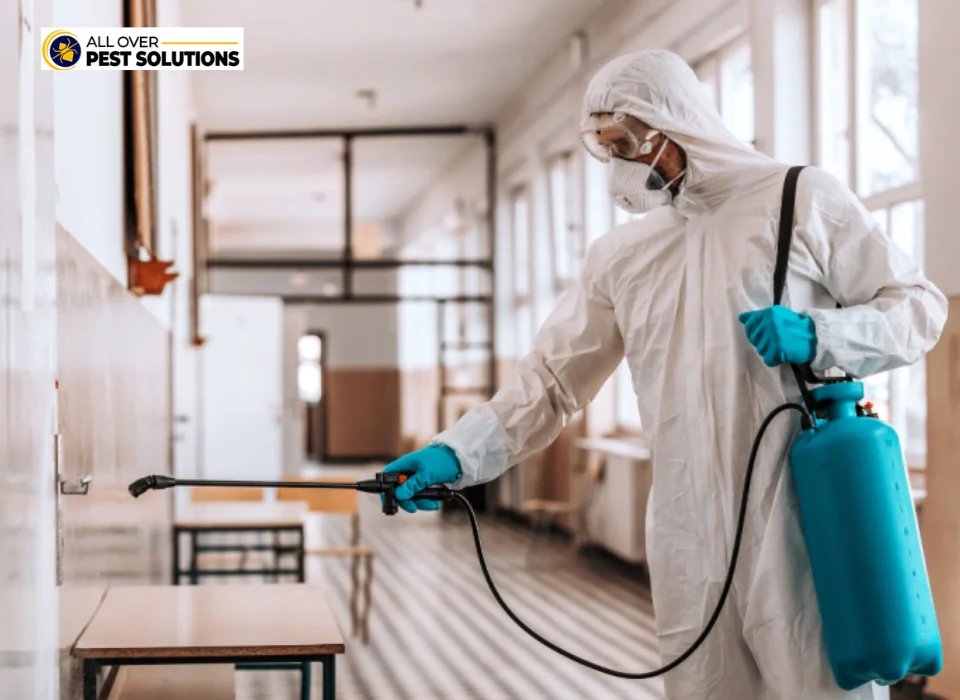
Pest control for high-rise apartments in Melbourne often requires the expertise of professional pest control services. They can assess the situation, identify entry points, and apply appropriate treatments. Regular pest inspections and maintenance can also help catch problems early before they become more serious.
For expert assistance in Melbourne apartment pest control, reach out to All Over Pest Solutions for tailored solutions designed to protect your home and prevent future infestations.
Educate Your Neighbours
Since pest problems in high-rise apartments can spread quickly between units, it’s essential to communicate with your neighbours about any pest issues. Coordinating pest control efforts across multiple apartments can help minimise the risk of infestation and ensure that treatments are effective throughout the building.
Why Choose Professional Pest Control in Melbourne’s High-Rise Apartments?
Handling pest problems in high-rise apartments requires expertise, experience, and the right tools. Professional pest control services offer several advantages, including:
- Tailored Solutions: Pest control companies understand the unique challenges of high-rise apartments and can develop customised plans to address specific issues.
- Expert Knowledge: Experienced pest control specialists can identify hard-to-find pests and their entry points, ensuring a thorough solution.
- Long-Term Results: Professional pest control services don’t just eliminate pests; they provide long-term solutions that reduce the risk of future infestations.
- Safe and Eco-Friendly Methods: Reputable pest control companies use safe and eco-friendly products that are effective but won’t harm your health or the environment.
If you’re facing a pest infestation in Melbourne’s high-rise apartments, don’t wait for the problem to escalate. Contact All Over Pest Solutions for fast, efficient, and effective pest control services tailored to your apartment’s needs.
Conclusion
Pest infestations in high-rise apartments can be a serious issue, but with the right prevention strategies and professional assistance, they can be managed effectively. By sealing entry points, maintaining cleanliness, and scheduling regular pest inspections, you can keep your apartment safe from pests. If you’re experiencing persistent pest problems, consider contacting Melbourne apartment pest control experts to ensure that your home remains pest-free for years to come.
For reliable pest control solutions in Melbourne, trust the experts at All Over Pest Solutions to provide top-notch service and peace of mind.
Frequently Asked Questions
What are the most common pests found in high-rise apartments in Melbourne?
Common pests in high-rise apartments include cockroaches, rodents, ants, bedbugs, silverfish, and termites. Each of these pests poses specific challenges, and early detection is key to preventing infestations.
How do pests enter high-rise apartments?
Pests can enter through gaps and cracks in walls, windows, and doors. Shared plumbing systems, air vents, and electrical outlets also allow pests to move between units. Proper sealing and regular maintenance can prevent access points.
What is the best way to prevent pest infestations in Melbourne apartments?
Regular cleaning, sealing cracks, fixing moisture issues, and proper waste management are essential prevention strategies. Professional pest control services can also help with ongoing inspections and treatments.
Can pests in high-rise apartments spread to other units?
Yes, pests can travel between units through shared walls, floors, and plumbing systems. If you spot a pest problem, it’s important to notify your neighbors and coordinate efforts for effective pest control.
Why should I hire a professional for pest control in high-rise apartments?
Professional pest control services have the experience, tools, and eco-friendly solutions needed to handle the unique challenges of high-rise living. They can provide long-term, effective solutions and prevent future infestations.