
Termite Control Melbourne: Expert Structural Protection and Prevention

Pest Controller Melbourne: Reliable 24/7 Emergency Pest Services
April 14, 2026
Commercial Pest Control: Professional Solutions for Melbourne Businesses
April 19, 2026
For many homeowners in Victoria, the thought of termites is a source of constant underlying anxiety. These silent destroyers can chew through the structural integrity of a house for years without ever being detected by the naked eye. In a city like Melbourne, where a mix of historic timber-framed cottages and modern architectural masterpieces defines our suburbs, the risk is particularly high. Implementing expert structural protection isn’t just a maintenance task; it is a vital defense mechanism. By the time you notice sagging floors or hollow-sounding wood, the damage is often already in the thousands of dollars. Seeking professional intervention to create a robust barrier is the only way to ensure your property remains standing strong for generations to come.
The Hidden Danger in Melbourne Suburbs
Termites thrive in environments where they can find moisture and cellulose—the organic compound found in wood. Melbourne’s coastal influence and varying soil types provide the perfect breeding ground for subterranean termites. These pests travel through mud tubes to stay hydrated, often entering homes through tiny cracks in the concrete slab or via timber that is in direct contact with the ground. Because they avoid light and open air, they can eat through the inside of a wall stud while leaving the paint perfectly intact. This is why having a licensed pest controller Melbourne residents trust is so important. These experts use thermal imaging and moisture meters to “see” inside your walls, identifying heat signatures that indicate a thriving colony long before a human eye could spot them.
Integrated Defense and Multi-Pest Management
While termites are a primary concern for structural safety, a comprehensive home protection plan often addresses other environmental threats simultaneously. A yard that is overgrown or holds standing water can attract a variety of pests that compromise your comfort. For instance, managing the exterior of your property often involves pest control rodent, as reducing the damp, shaded areas that termites love also eliminates the breeding grounds for blood-sucking insects. By taking a holistic view of your property’s ecosystem, you create a less hospitable environment for all intruders. Whether it’s clearing away old mulch piles that invite termites or installing automated misting systems for flying insects, the goal is to create a seamless shield around your living space.
Strategic Prevention and Baiting Systems
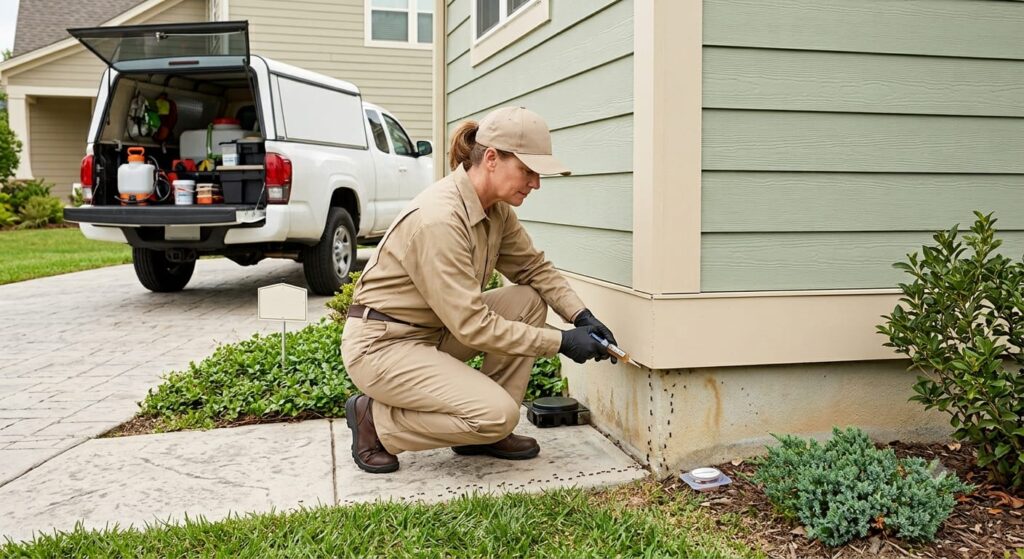
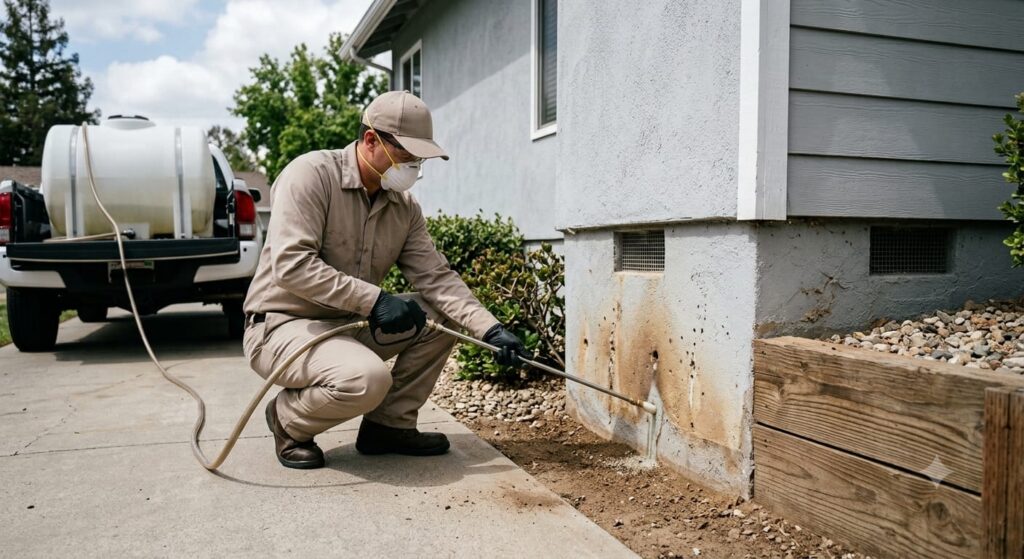
Once an inspection is complete, the focus shifts to long-term prevention. Modern termite management has evolved far beyond simple chemical sprays. Today, professionals utilize advanced baiting systems and physical barriers. Baiting stations are placed strategically around the perimeter of the home; they contain a growth-regulator that termites carry back to the queen, effectively neutralizing the entire colony at the source. For those building new extensions or renovating, physical barriers such as stainless steel mesh or chemically impregnated membranes—are installed during the construction phase. If you suspect an active infestation, searching for all pest control will allow you to find a local specialist who can provide a rapid-response treatment plan tailored to the specific soil conditions and termite species prevalent in your local Melbourne neighborhood.
The Value of Professional Certification
In the world of pest management, certification is everything. Termite treatments in Australia are governed by strict standards (AS 3660.2), and only licensed professionals have access to the industrial-grade termiticides and monitoring technology required to provide a true guarantee. When you hire an expert, you aren’t just paying for the application of a product; you are paying for their trained eye and their ability to provide a legal Certificate of Compliance. This document is essential not only for your peace of mind but also for the future resale value of your home. Buyers in the Melbourne market are increasingly savvy and will always ask for proof of a current termite management system. By investing in professional protection today, you are securing both the physical structure of your home and its future marketability.
Frequently Asked Questions:
Q1. How do I know if I have termites or just ants?
A: Termites are often mistaken for “white ants,” but they have distinct differences. Termites have straight antennae and a thick waist, whereas ants have elbowed antennae and a narrow, pinched waist. Termites also rarely come out into the open; if you see “ants” with wings emerging from a hole in your woodwork, it is almost certainly a termite swarm.
Q2. Is termite damage covered by standard home insurance?
A: Unfortunately, most standard home insurance policies in Australia do not cover termite damage, as it is considered a “preventable” maintenance issue. This makes regular professional inspections and the installation of a management system even more critical for protecting your finances.
Q3. How often should a termite inspection be carried out?
A: The Australian Standard recommends at least one thorough professional inspection every 12 months. However, if your home is located near parklands or has a history of termite activity, a bi-annual inspection is highly recommended to catch any new activity early.
Q4. Are termite barriers safe for my garden and plants?
A: Yes. Modern chemical barriers are designed to bind tightly to the soil and do not leach into the surrounding environment. Professionals apply these treatments specifically to the foundations of the house, ensuring your garden beds and lawn remain healthy and unaffected.
Q5. How long does a termite baiting system last?
A: A baiting system is a long-term solution. While the stations themselves stay in the ground indefinitely, the bait inside needs to be monitored and replenished by a professional regularly (usually every 3 to 6 months) to ensure the perimeter remains secure.