Commercial Pest Control: Professional Solutions for Melbourne Businesses

Termite Control Melbourne: Expert Structural Protection and Prevention
April 15, 2026What a Building Inspection Company in Victoria Sees That You Don’t
April 22, 2026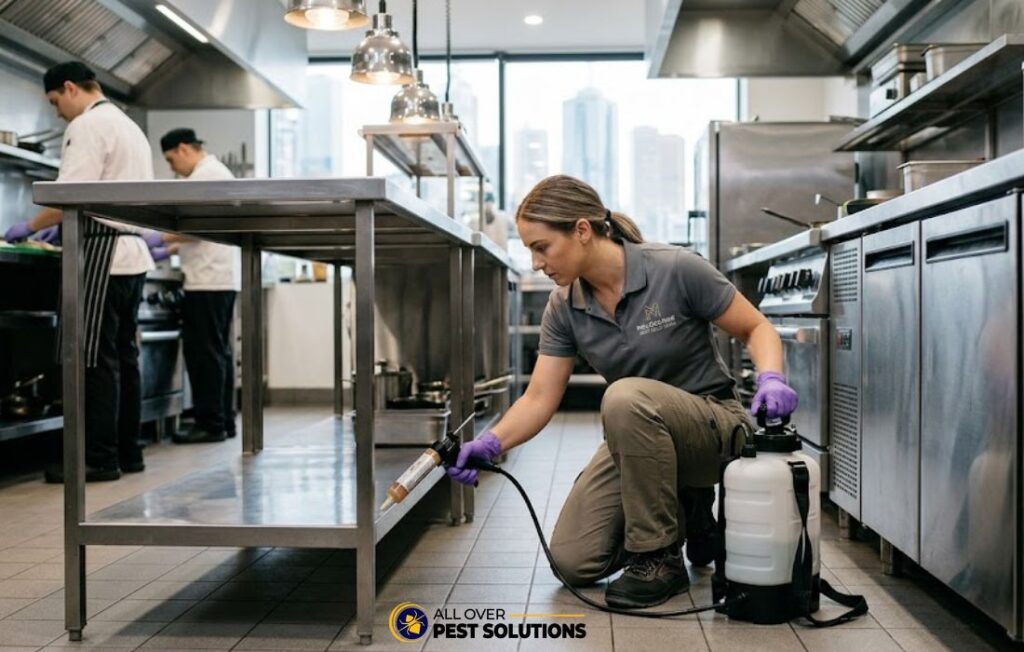
In the fast-paced economy of 2026, Melbourne businesses are facing higher standards than ever before. Whether you are running a boutique cafe in Laneway, a sprawling warehouse in Dandenong, or a high-rise office in the CBD, the presence of pests is not just a nuisance it is a significant threat to your operational continuity. Commercial Pest Control has evolved from a simple reactive spray service into a sophisticated, data-driven necessity. Today, protecting your brand requires a proactive partnership with experts who understand that a single pest sighting on social media can do more damage to your reputation than a week of closed doors. Professional management is the only way to ensure your environment remains hygienic, compliant, and welcoming to both staff and clients.
Navigating Strict Regulatory Compliance
For many industries, particularly food service and healthcare, pest management is a legal mandate. The updated 2026 HACCP (Hazard Analysis and Critical Control Points) standards and Victorian food safety regulations require rigorous documentation and preventative measures. Utilizing commercial pest control melbourne services ensures that your business is always audit-ready. Local specialists provide the detailed reporting, chemical registries, and trend analysis needed to satisfy health inspectors and international quality standards. By focusing on structural exclusion and sanitation rather than just chemical application, these professionals help you meet environmental and safety benchmarks that are becoming increasingly stringent in the Australian market.
Protecting Your Assets and Infrastructure
Pests do more than spread bacteria; they are a direct threat to your physical assets. Rodents are notorious for gnawing through electrical wiring, which in 2026 poses a massive risk to the high-tech server rooms and automated systems that power modern Melbourne enterprises. Furthermore, stored product pests can decimate inventory in logistics hubs, leading to thousands of dollars in lost revenue. Investing in pest control services for commercial properties means you are placing a protective barrier around your investment. Expert technicians use advanced thermal imaging and motion-sensing technology to detect activity deep within walls or sub-floors, catching infestations long before they cause structural failure or expensive equipment breakdowns.
Industry-Specific Tailored Strategies
Every business has a unique biological footprint. A retail clothing store faces different risks such as moths or silverfish—compared to a restaurant dealing with German cockroaches or flies. The Integrated Pest Management approach used by elite providers means your treatment plan is customized to your specific layout and industry risks. For high-traffic Melbourne environments, discretion is also a top priority. Modern treatments are designed to be low-odor and are often scheduled outside of peak hours to ensure your operations are never interrupted. This level of customization ensures that you aren’t just paying for a generic service, but a targeted defense system that addresses the specific vulnerabilities of your commercial site.
The Value of Long-Term Partnerships
In the current business landscape, one-off treatments are rarely a sustainable solution. The most successful Melbourne businesses view pest management as an ongoing utility, much like electricity or internet. Regular monitoring allows for early detection of seasonal shifts, such as the influx of rodents during a cold Victorian winter or the surge of ants in summer. A consistent partnership provides you with a dedicated technician who knows your building’s history and weak points. This consistency not only leads to a higher success rate in eradication but also provides you with the peace of mind that your business is being watched over by professionals, allowing you to focus on what you do best: growing your company.
Frequently Asked Question:
Q1. How often does a Melbourne business need commercial inspections?
A: The frequency depends on your industry. Food-handling businesses typically require monthly or even fortnightly visits to remain HACCP-compliant. For standard offices or retail spaces, quarterly inspections are usually sufficient to maintain a protective barrier and catch early signs of activity.
Q2. Is commercial pest control discreet?
A: Yes. Professional commercial pest control melbourne providers understand the importance of brand image. They often use unmarked vehicles or arrive during dark hours (early morning or late night) to ensure that customers and the public are unaware of the preventative work being performed.
Q3. Are the treatments safe for employee-heavy environments?
A: Modern commercial treatments prioritize safety and utilize low-toxicity, targeted gels and baits. These products are placed in secure, tamper-resistant stations or applied to crevices where employees won’t come into contact with them. Technicians always provide Safety Data Sheets (SDS) for all products used on-site.
Q4. What documentation is provided for health audits?
A: A professional service will provide a comprehensive “Pest Site Register.” This includes a map of all bait stations, service logs, chemical usage reports, and recommendations for structural improvements. This folder is your primary evidence for health inspectors and internal quality audits.
Q5. How can I prevent pests between professional visits?
A: The Best Pest Control results come from a combination of professional service and good housekeeping. Managing waste effectively, sealing gaps under doors, and ensuring that staff breakrooms are kept crumb-free are the most effective ways to support your technician’s efforts.