Rodent and Pest Control: How Professionals Manage Pest Problems

Bed Bugs Control Melbourne: Effective Steps for Protecting Your Home
August 20, 2026Effective Ant Pest Control in Melbourne: Protect Your Home from Ant Infestations
September 11, 2026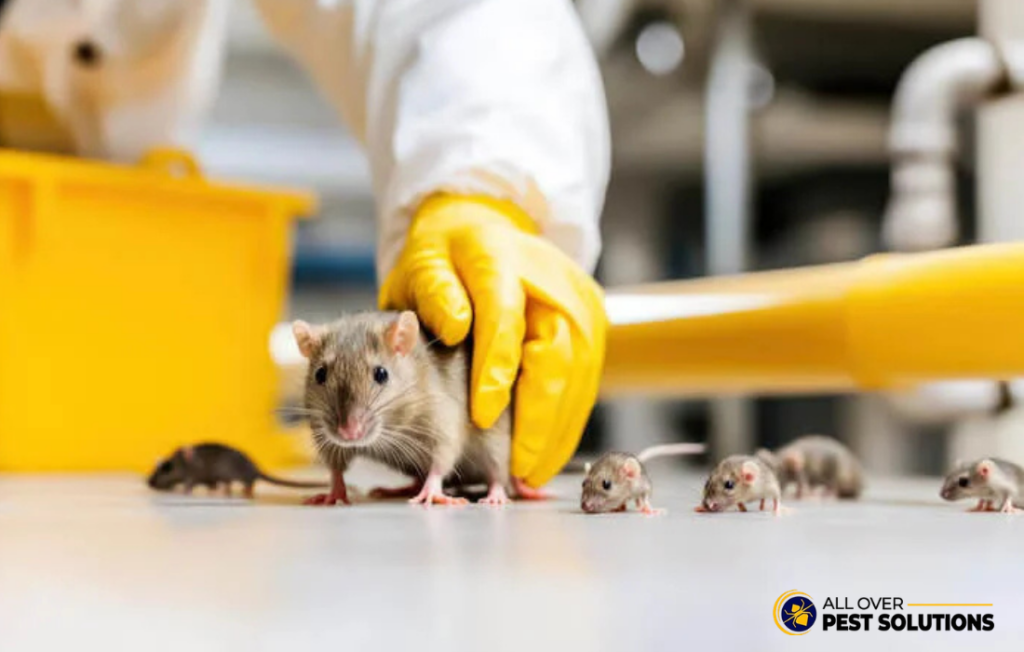
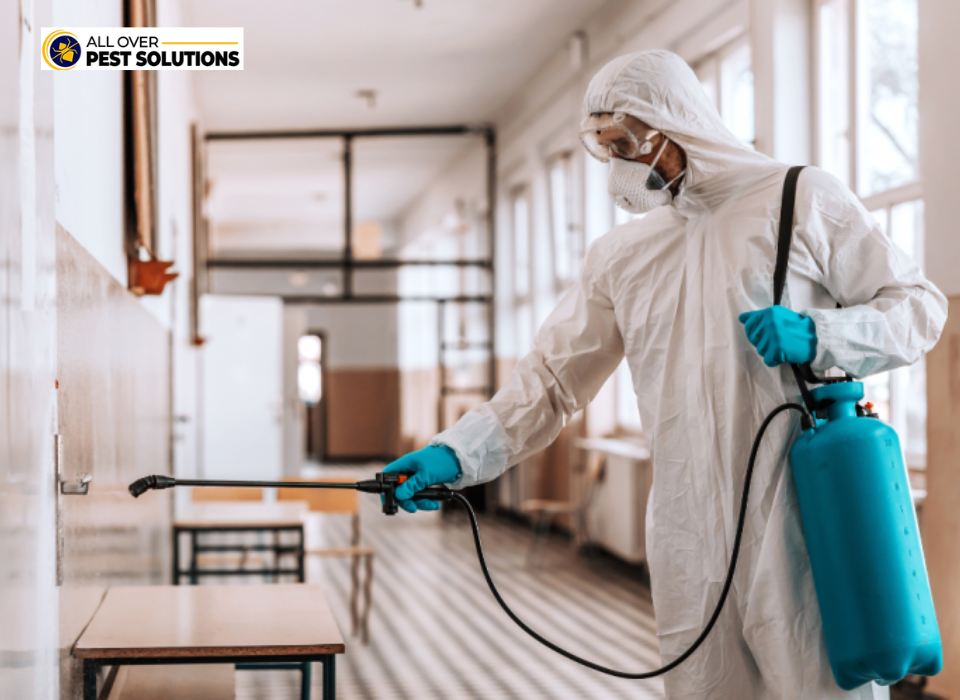
Pests can become a serious problem for homes and businesses when they are allowed to settle, reproduce, and move freely through a property. Rodents, cockroaches, ants, termites, spiders, flies, and other pests can affect hygiene, damage property, contaminate food, and create ongoing maintenance problems. While some minor pest issues can be handled with household products, larger or recurring infestations often require professional pest control. Professional pest management is not simply about spraying chemicals and hoping the pests disappear. A qualified pest control professional first identifies the type of pest, determines where it is coming from, looks for conditions that are helping it survive, and then develops a treatment plan. The goal is to control the current infestation while reducing the chance of pests returning.
Why Professional Pest Control Is Important
Pest problems can be difficult to solve without understanding how pests behave. For example, seeing one cockroach in a kitchen does not necessarily mean there is only one. There may be additional pests hiding behind appliances, inside cupboards, under sinks, or in wall cavities.
Rodents can be even more challenging because they can move through very small openings and often remain hidden during the day. If food, water, and shelter are available, they can continue breeding and expanding their activity.
Professional pest control can help identify the source of the problem rather than simply treating the visible signs. This is particularly important when an infestation keeps returning after DIY treatments.
Common Pest Problems Professionals Deal With
Professional pest controllers manage many different types of pest problems. The appropriate treatment depends on the species, the size of the infestation, the property type, and the conditions around the building.
Rodents
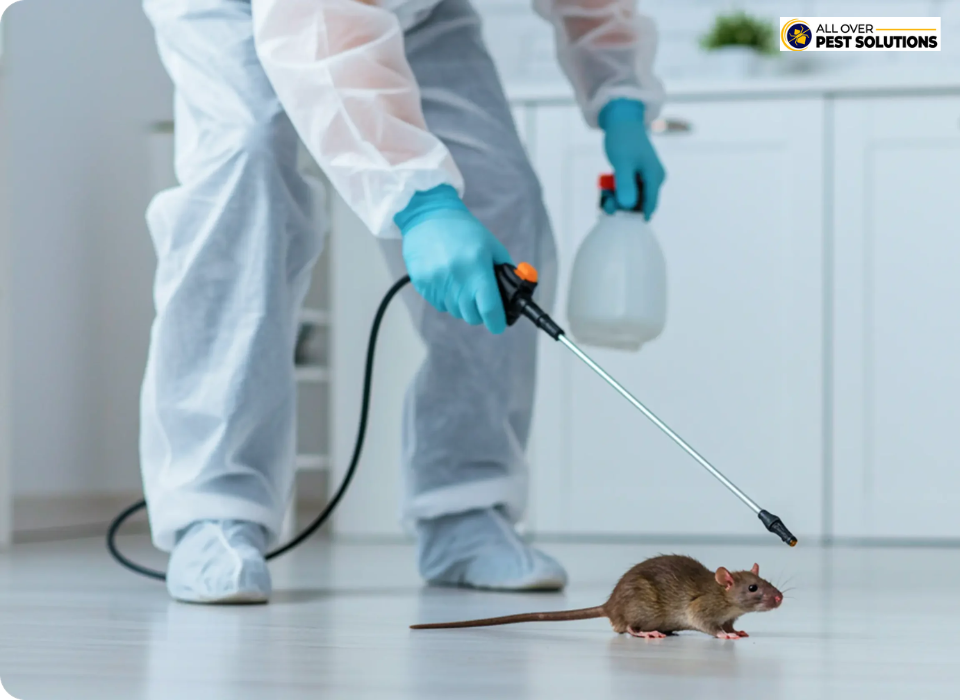
Rats and mice are among the most common household and commercial pests. They can enter buildings through gaps around doors, pipes, vents, roofs, drains, and other openings.
Rodents may:
- Contaminate food and surfaces
- Damage insulation and stored materials
- Chew electrical wiring
- Leave droppings and urine
- Create unpleasant odours
- Nest in hidden areas
- Reproduce quickly when conditions are suitable
A professional will look for signs such as droppings, gnaw marks, nesting materials, grease marks, damaged packaging, and unusual noises.
Cockroaches
Cockroaches often prefer warm, dark, and damp areas. Kitchens, bathrooms, storage areas, drains, and areas behind appliances can provide ideal conditions.
Professionals may look for live or dead cockroaches, droppings, egg cases, and other signs of activity before determining the most appropriate treatment.
Ants
Ant problems can be frustrating because killing visible ants may not eliminate the colony. Professionals identify the type of ant and investigate where the colony or entry point may be located.
Treatment can involve targeting the colony and reducing the conditions that attract ants to the property.
Termites and Timber Pests
Termites can cause significant structural damage if an infestation remains undetected for a long period. They may attack timber elements within or around a building, sometimes without obvious signs on the surface.
A professional inspection can help identify visible evidence of termite activity and conditions that may increase the risk of termite problems.
Spiders and Other Insects
Spiders, flies, silverfish, fleas, wasps, and other insects can also become problematic depending on the property and surrounding environment. Treatment needs to be based on the pest species and the reason they are entering or staying around the property.
How Professionals Manage a Pest Problem
Professional pest management usually follows a structured process rather than relying on a single treatment.
1. Property Inspection
The first step is usually a detailed inspection. The pest professional examines areas where pests are likely to enter, hide, feed, or reproduce.
For rodent problems, this may include checking roof spaces, wall areas, garages, kitchens, storage areas, external walls, and potential entry points.
Professionals may also look around:
- Doors and windows
- Pipes and utility penetrations
- Roof spaces
- Drainage areas
- Cracks and gaps
- Food storage areas
- Garden and outdoor areas
- Rubbish and waste areas
The purpose is to understand the extent of the problem and identify contributing conditions.
2. Identifying the Pest
Correct identification is important because different pests require different management approaches.
A treatment that works for one species may not be suitable for another. Professionals consider the pest’s behaviour, nesting habits, food sources, breeding patterns, and preferred environments before recommending a treatment.
3. Finding Entry Points
For rodents in particular, finding entry points is an important part of long-term control.
A small gap can be enough for a rodent to enter a building. Professionals inspect the property for gaps, cracks, damaged vents, openings around pipes, poorly sealed doors, and other access points.
Simply removing rodents without addressing entry points can allow new rodents to enter later.
4. Removing Food and Water Sources
Pests need suitable food and water to survive. Professionals therefore consider what may be attracting pests to the property.
Common problems include:
- Uncovered food
- Poorly stored rubbish
- Pet food left outside
- Leaking taps or pipes
- Standing water
- Food waste
- Unclean food preparation areas
- Overfilled rubbish bins
Improving these conditions can make the property less attractive to pests.
5. Choosing the Appropriate Treatment
Once the pest and its activity have been identified, the professional selects an appropriate control method.
Depending on the situation, pest management may involve traps, baits, targeted treatments, exclusion work, monitoring, or other methods. The treatment should be appropriate for the pest, property, and level of infestation.
Professionals also consider people, pets, children, food areas, and other factors when planning treatments.
6. Monitoring the Results
Effective pest management does not necessarily end immediately after the first treatment.
Professionals may recommend follow-up inspections or monitoring to determine whether pest activity has reduced. This is especially important for larger infestations or problems that have been present for a long time.
Monitoring can also help identify whether additional measures are needed.
Why Rodent Control Requires More Than Trapping
Traps can remove individual rodents, but trapping alone may not solve the underlying problem.
If rodents continue to have access to food, water, shelter, and entry points, new animals may enter the property. This is why professional rodent management generally considers the entire environment.
A long-term approach may include identifying entry points, improving sanitation, reducing food sources, removing nesting opportunities, and monitoring activity alongside appropriate control measures.
Signs That You May Have a Rodent Problem
Rodents are often active when people are asleep, so you may not always see them directly. Instead, look for signs such as:
- Droppings around cupboards or food areas
- Gnaw marks on materials
- Damaged food packaging
- Scratching or movement sounds
- Nesting materials
- Grease marks along walls
- Unusual smells
- Burrows around external areas
- Pets behaving unusually around walls or cupboards
Finding one or more of these signs does not always confirm the size of an infestation, but they are good reasons to investigate further.
Why DIY Pest Control Does Not Always Work
DIY pest products can be useful for minor problems, but they may not address the cause of a recurring infestation.
One common mistake is treating only the area where pests are visible. The main infestation may be located somewhere else.
For example, spraying visible ants may remove the ants you can see while leaving the colony untouched. Similarly, catching one mouse does not necessarily mean that all rodents have been removed.
Professional pest control focuses on understanding the wider problem and developing a management plan.
Pest Prevention After Treatment
Preventing pests from returning is just as important as controlling the existing infestation.
Property owners can reduce pest risks by:
Keep Food Secure
Store food in sealed containers and avoid leaving food scraps or uncovered food available overnight.
Manage Waste Properly
Keep rubbish bins closed and remove waste regularly. Outdoor waste areas should also be kept clean.
Fix Water Leaks
Leaking pipes, taps, and other moisture problems can provide pests with a reliable water source.
Seal Gaps and Cracks
Inspect doors, windows, walls, vents, roof areas, and pipe penetrations for possible pest entry points.
Maintain Outdoor Areas
Keep vegetation, stored materials, and rubbish away from external walls where practical. Overgrown areas can provide pests with shelter.
Keep Storage Areas Organised
Avoid unnecessary clutter, particularly in garages, sheds, roof spaces, and storage rooms where pests can hide.
When Should You Call a Professional?
You should consider professional pest control when:
- Pest activity keeps returning.
- You find signs of rodents.
- You hear scratching or movement inside walls or ceilings.
- There are signs of termite activity.
- DIY treatments have not solved the problem.
- Pest activity is affecting food or hygiene.
- The infestation appears to be spreading.
- You cannot identify the pest.
- You are concerned about potential property damage.
Getting professional advice early can help prevent a small pest issue from becoming a larger and more expensive problem.
Professional Pest Management Is About Prevention Too
The best pest control strategy is not simply about eliminating pests that are already present. It is about understanding why they are there and what can be done to make the property less attractive to them.
Professional pest management combines inspection, identification, targeted treatment, monitoring, and prevention. This approach can provide a more practical long-term solution than repeatedly treating visible pests without addressing the underlying conditions.
Final Thoughts
Rodent and pest problems can range from a minor inconvenience to a serious property and hygiene concern. Professionals manage these problems by first understanding the pest and its behaviour, inspecting the property, identifying access and nesting areas, selecting suitable control methods, and monitoring the results.
For property owners, prevention remains an important part of pest management. Keeping food secure, managing waste, fixing moisture problems, reducing clutter, maintaining outdoor areas, and sealing potential entry points can all help reduce pest activity.
If you notice recurring pest activity or signs of rodents, termites, or other unwanted pests, a professional inspection can help determine the extent of the problem and the most appropriate next steps.