
Bed Bugs Control Melbourne: Effective Steps for Protecting Your Home

All Pest Solutions: A Complete Guide to Effective Pest Management
August 20, 2026
Rodent and Pest Control: How Professionals Manage Pest Problems
August 30, 2026
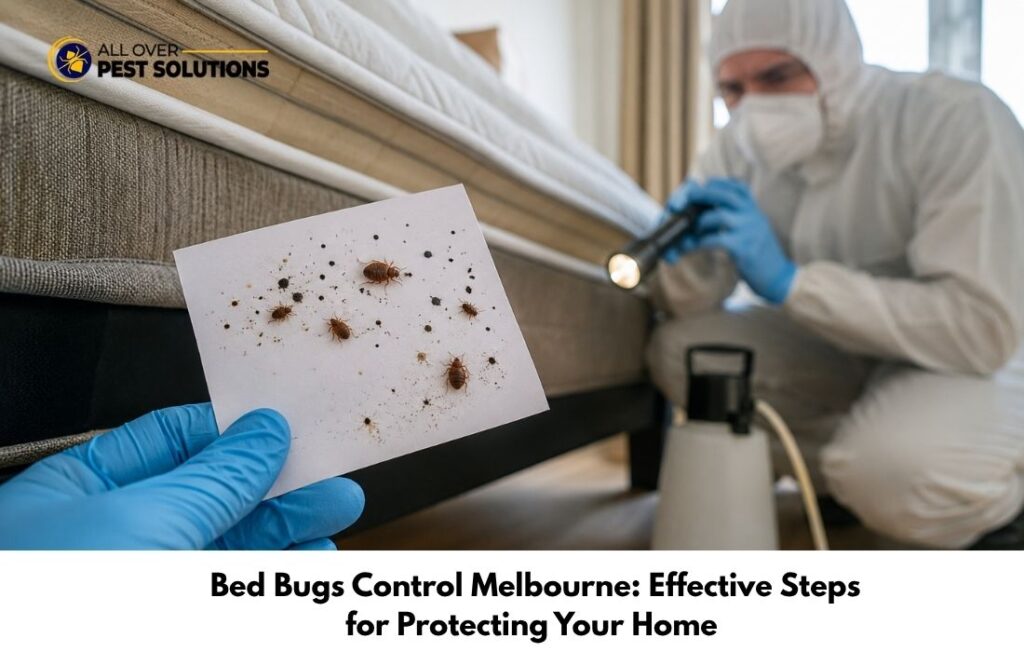
Bed bugs are small, persistent insects that can quickly become a major household problem. They are particularly difficult to manage because they can hide in mattresses, bed frames, furniture, cracks, carpets and other concealed areas. Once an infestation becomes established, simply cleaning the bedroom or washing bedding may not be enough to eliminate the problem completely. For Melbourne homeowners, renters, landlords and property managers, early identification and professional treatment can make a significant difference. Understanding how bed bugs spread, recognising the warning signs and taking the right preventative measures can help protect your home from a recurring infestation. This guide explains practical steps for bed bugs control, when professional bed bugs pest control may be necessary, and how homeowners can approach bed bugs control Melbourne services effectively.
What Are Bed Bugs?
Bed bugs are small, flat insects that feed on blood. Adult bed bugs are generally reddish-brown in colour and have an oval, flattened body. Their size and ability to hide in very narrow spaces make them difficult to spot, particularly during the early stages of an infestation. Bed bugs are commonly associated with mattresses and bedrooms, but they can live in many other locations. They may hide around bed frames, behind headboards, inside furniture joints, under carpets, around skirting boards and in cracks in walls. They do not necessarily indicate that a property is dirty or poorly maintained. Bed bugs can enter clean homes through luggage, clothing, second-hand furniture and other belongings. Once inside, they can gradually move between hiding places and establish an infestation.
How Do Bed Bugs Enter a Melbourne Home?
Bed bugs are excellent hitchhikers. They can travel from one location to another by attaching themselves to luggage, clothing, bedding, furniture and personal belongings. People returning from hotels, hostels or other accommodation can unknowingly bring bed bugs home in luggage. Buying used mattresses, couches or bedroom furniture can also introduce them into a property. In apartment buildings and other multi-unit properties, bed bugs may sometimes move between nearby areas through gaps, wall cavities or shared spaces. This makes early detection particularly important. Because bed bugs can survive in concealed locations, identifying the source of an infestation is not always straightforward. A professional inspection can help determine where activity is occurring and which areas require treatment.
Common Signs of a Bed Bug Infestation
Recognising the early signs of bed bugs can help prevent a small problem from becoming a larger infestation. One of the most common signs is unexplained bites or itchy marks, particularly after sleeping. However, bites alone are not enough to confirm the presence of bed bugs because other insects can cause similar reactions. Small dark spots on mattresses, sheets or nearby furniture may also indicate bed bug activity. These marks can result from bed bug droppings. You may also notice tiny pale eggs or shed skins around mattress seams, bed frames or other hiding places. Another possible sign is finding live or dead insects. Bed bugs are often easier to detect around mattress seams, underneath the mattress, behind the headboard and in cracks around the bed. A musty or unusual odour may sometimes occur when an infestation is significant, although smell alone should not be used to diagnose an infestation.
Why Early Bed Bugs Control Matters
Bed bugs can reproduce and spread if an infestation is left untreated. Waiting too long can allow them to move from the bedroom into surrounding furniture and other areas of the property. DIY treatment can sometimes provide temporary results while leaving hidden insects and eggs behind. This can create the impression that the problem has disappeared when activity may simply have become less visible. Effective bed bugs control requires attention to both visible and hidden areas. The objective is not simply to remove the insects that can be seen but to address potential harbourage areas and reduce the likelihood of reinfestation. Early action can also make treatment more manageable. If you suspect bed bugs, inspecting the property promptly and getting professional advice can help determine the most appropriate approach.
Preparing Your Home for Bed Bug Treatment
Preparation is an important part of successful bed bugs pest control. Before treatment, homeowners should follow the instructions provided by their pest control professional. Bedding, clothing and other washable fabrics may need to be handled carefully. Depending on the treatment plan, items may need to be washed and dried using appropriate heat settings. Unnecessary movement of belongings between rooms should generally be avoided because it can spread insects to previously unaffected areas. Vacuuming can also help remove insects and debris from accessible areas, but it should not be considered a complete treatment on its own. Pay particular attention to mattress seams, bed frames, carpets and surrounding areas where insects may hide. Furniture should not automatically be thrown away. Many items can potentially be treated, and unnecessarily moving infested furniture can spread the problem. A professional pest technician can provide specific preparation instructions based on the property and treatment method.
Professional Bed Bugs Pest Control Methods
Professional bed bugs pest control can involve different treatment approaches depending on the extent of the infestation, the structure of the property and the areas affected. Inspection is usually an important first step. A technician can examine mattresses, bed frames, furniture, cracks, crevices and other likely harbourage areas. Treatment may involve targeted applications to suitable areas, physical removal methods, vacuuming, heat-based approaches or a combination of techniques. The appropriate method should be selected according to the individual circumstances of the infestation. One important consideration is that bed bugs can hide in areas that are difficult to access. Professional technicians have experience identifying likely hiding locations and can develop a treatment plan that goes beyond the most obvious areas. Follow-up inspections or treatments may also be recommended depending on the severity of the infestation and the treatment method used. Homeowners should follow the pest professional’s instructions carefully after treatment.
Why DIY Bed Bug Treatment May Not Be Enough
Many homeowners initially try household sprays, cleaning products or other DIY methods. While cleaning and certain preventative steps can be useful, they may not eliminate an established infestation. Bed bugs can hide inside tiny gaps and protected areas where household products may not reach. Eggs can also remain hidden and contribute to continued activity after an initial treatment. Another common mistake is treating only the mattress. Bed bugs can live around bed frames, furniture, skirting boards and other nearby areas. Treating one location while ignoring potential harbourage areas can allow the infestation to continue. DIY approaches can therefore be useful as part of preparation and prevention, but a significant infestation may require professional assessment and treatment.
Protecting Your Home After Treatment
Successful bed bugs control Melbourne does not necessarily end when the initial treatment is completed. Ongoing monitoring and preventative habits can help reduce the risk of another infestation. When travelling, inspect hotel rooms and keep luggage away from beds where practical. After returning home, inspect luggage and clothing before storing everything away. Avoid bringing second-hand mattresses or upholstered furniture into your home without thoroughly checking them first. If you purchase used furniture, inspect seams, joints, cracks and concealed areas carefully. Keeping bedrooms reasonably organised can also make inspections easier. Excess clutter provides additional hiding places and can make it harder to identify signs of activity. If you notice new signs after treatment, contact a pest professional promptly rather than waiting for the problem to become widespread.
Choosing Bed Bugs Control Melbourne Services
When searching for bed bugs control Melbourne, homeowners should look for a professional service that takes the time to inspect the property rather than simply applying a generic treatment. Ask what areas will be inspected, what treatment options may be suitable and whether preparation is required before the technician arrives. It is also useful to understand whether follow-up inspections or treatments may be recommended. A professional approach should focus on identifying the extent of the infestation and developing a treatment plan around the property’s specific conditions. For homeowners looking for professional assistance, All Over Pest Solutions can help with pest management needs and provide guidance on addressing bed bug problems in residential properties.
Prevention Tips for Melbourne Homeowners
Preventing every possible bed bug infestation is difficult, but several practical habits can reduce the risk. Inspect luggage after travelling and avoid leaving suitcases on beds for extended periods. Check second-hand furniture carefully before bringing it inside. Wash and properly dry clothing after travel where appropriate, and keep an eye out for unexplained marks, insects or other signs around sleeping areas. Regularly inspect mattress seams, bed frames and nearby furniture if you have concerns. Early detection is much easier to manage than an established infestation. If you live in an apartment or multi-unit building and suspect bed bugs, report the issue promptly to the appropriate property manager or building representative. Addressing potential infestations early can help reduce the risk of spread.
Final Thoughts
Bed bugs can be persistent, but early identification and a well-planned treatment approach can help protect your home. Understanding the signs, avoiding unnecessary movement of infested belongings and seeking professional advice when necessary are important parts of effective bed bugs control. For homeowners searching for bed bugs control Melbourne, professional inspection and treatment can provide a more structured approach than relying solely on DIY products. Good preparation, appropriate treatment and ongoing monitoring can all contribute to better long-term results. If you suspect an infestation, do not ignore the warning signs. Acting early can help limit the problem and protect your home, furniture and belongings from a more extensive infestation.
Frequently Asked Questions:
Q: How do I know if my home has bed bugs?
Look for live insects, dark spots, shed skins, eggs or unexplained signs around mattress seams, bed frames and nearby furniture. Bites alone cannot confirm an infestation.
Q: Can bed bugs live outside the mattress?
Yes. Bed bugs can hide in bed frames, furniture, cracks, skirting boards, carpets and other concealed areas around sleeping spaces.
Q: Is professional bed bugs pest control necessary?
For established infestations, professional assessment can be helpful because bed bugs can hide in areas that are difficult to identify or treat with ordinary household products.
Q: How can I prevent bed bugs after travelling?
Inspect luggage and belongings after returning home, avoid placing luggage directly on beds and check clothing and other items for signs of insects.
Q: Should I throw away my mattress if I find bed bugs?
Not necessarily. A mattress may be treatable depending on its condition and the infestation. Speak with a pest professional before deciding to dispose of furniture.
Q: How quickly should I act after finding bed bugs?
It is best to act promptly. Early assessment can help identify the extent of the problem before the infestation spreads to additional areas.