
All Pest Solutions: A Complete Guide to Effective Pest Management

Bed Bugs Pest Control: Effective Ways to Eliminate Bed Bugs
August 17, 2026
Bed Bugs Control Melbourne: Effective Steps for Protecting Your Home
August 20, 2026
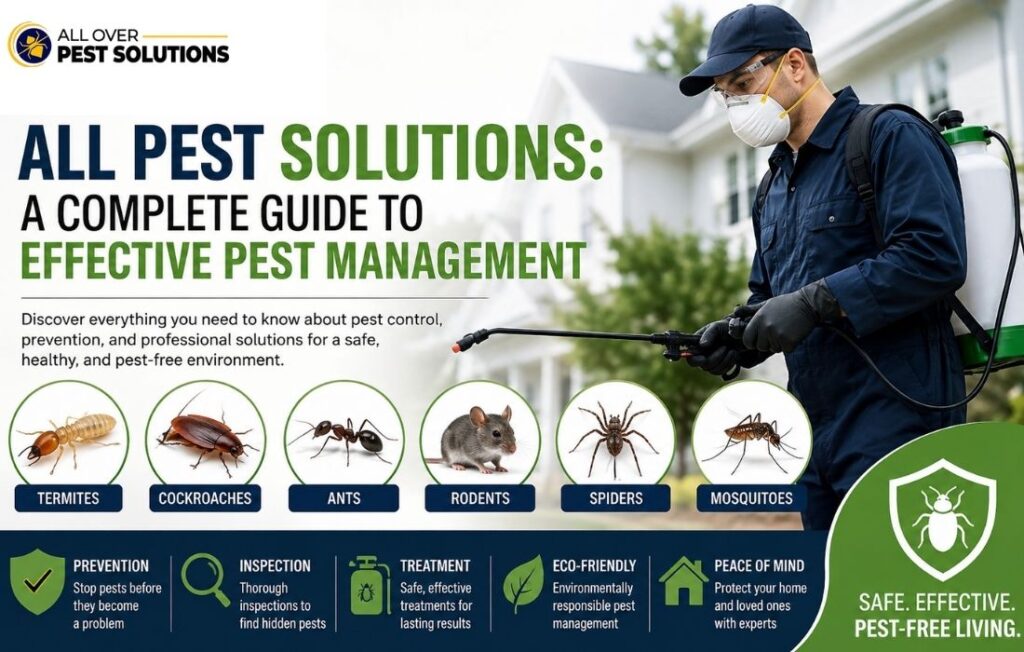
Maintaining a secure, clean, and structurally sound property requires a consistent defense against invasive insects, rodents, and timber pests. Across Australia, diverse environmental conditions create prime breeding grounds for pests that invade living spaces, compromise building structures, and spread harmful bacteria. Managing these ongoing threats demands far more than temporary retail sprays. Implementing a comprehensive, professional strategy for all pest control protects long-term property value and ensures household safety through proactive, science-backed protocols.
Understanding the Reality of Common Australian Pests
Urban expansion continually forces wildlife to exploit residential and commercial structures for food, moisture, and shelter. Managing all pests australia property owners encounter requires identifying their unique biological habits and entry points. Subterranean termites represent the most destructive timber threat, hollowing out load-bearing frames and floorboards without early visible warning. Rodents present severe fire hazards by gnawing through electrical cables and PVC pipes while contaminating pantry surfaces. Additionally, cockroaches and venomous spiders like Redbacks and White-tails create immediate health and medical risks for families and pets.
The Core Principles of Integrated Pest Management
Modern pest management relies on Integrated Pest Management (IPM), a strategic framework designed for long-term control rather than repeated chemical broadcasting. The process begins with a meticulous property inspection, utilizing diagnostic tools like thermal imaging and digital moisture meters to locate concealed nests. Technicians then evaluate sanitation factors and environmental conditions that attract pests, such as excess moisture and accessible food sources, addressing the root causes of the infestation before applying targeted, low-toxicity treatments.
Physical Exclusion and Property Hardening
Long-term protection depends heavily on mechanical exclusion to physically block pests from entering the building envelope. Mice can squeeze through openings as narrow as a pencil, while insects exploit tiny gaps around foundations and rooflines. Property hardening involves sealing utility penetrations with durable sealants, installing fine stainless-steel mesh over external weep holes, and adding heavy-duty brush strips beneath external doors. These physical barriers eliminate reliance on constant chemical applications and ensure sustainable, year-round defense.
Advanced Structural Protection Against Timber Pests
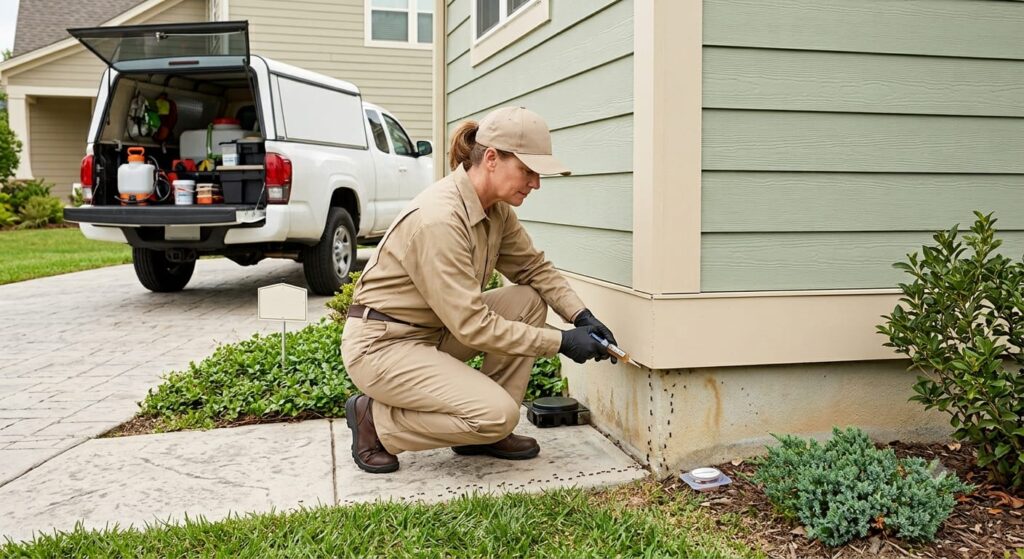
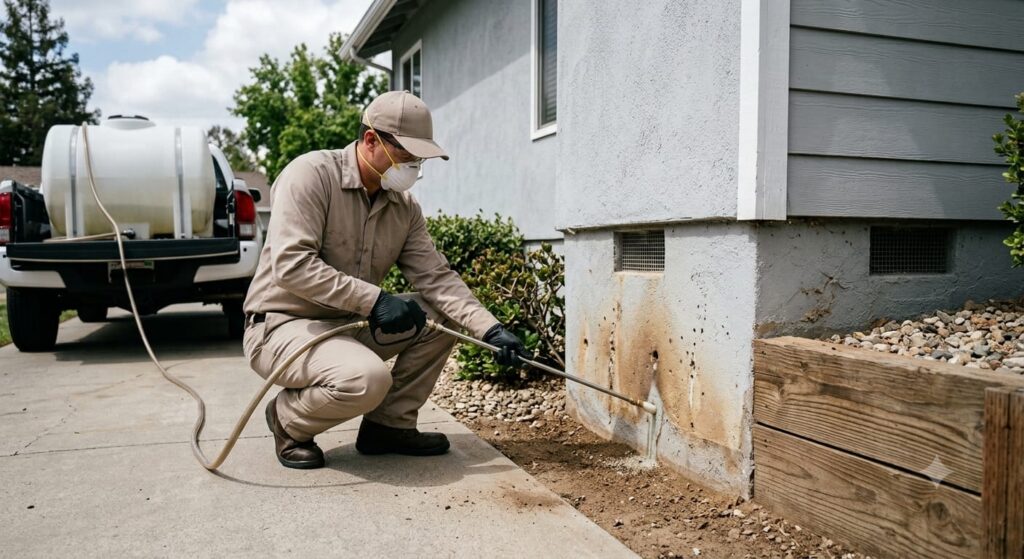
Termite damage costs property owners significant amounts each year, and standard building insurance policies typically exclude insect-related structural failure. Termites travel from subterranean colonies through mud tubes directly into structural framing. Professional protection involves routine inspections adhering strictly to Australian Standard AS 3660.2. Technicians install non-repellent chemical soil barriers or external monitoring stations, allowing foraging worker termites to transfer active ingredients back to the nest to eliminate the queen and neutralize the colony.
Partnering with Professional Pest Controllers
Selecting the right specialist is essential for achieving lasting results without exposing your household to unnecessary hazards. When searching for trusted pest controllers near me, property owners should verify licensing, comprehensive insurance, and compliance with national safety standards. Qualified technicians use specialized equipment to pinpoint hidden entryways and apply APVMA-approved, targeted products that remain safe around children and pets once dry. At All Over Pest Solutions, our certified technicians provide complete residential and commercial pest management. We combine advanced diagnostic tools, proven exclusion methods, and long-lasting treatments to keep your property fully protected throughout every season.
Ongoing Maintenance for Long-Term Prevention
Sustainable pest control requires routine monitoring alongside basic preventative property maintenance. Homeowners should regularly inspect subfloor ventilation, repair leaking outdoor taps promptly, and keep garden beds and mulch clear of external weep holes. Clearing timber debris and maintaining clean pantry storage significantly reduces natural attractants, ensuring your home remains a safe, pest-free environment.
Frequently Asked Questions:
Q: How frequently should a home undergo professional pest inspections?
Properties should undergo a professional inspection at least once every 12 months, with higher-risk zones benefiting from six-monthly evaluations.
Q: Are modern pest treatments safe for pets and children?
Yes, licensed technicians use targeted, low-toxicity formulations applied in secure, tamper-resistant locations that are safe once dry.
Q: Why do pests return quickly after using supermarket sprays?
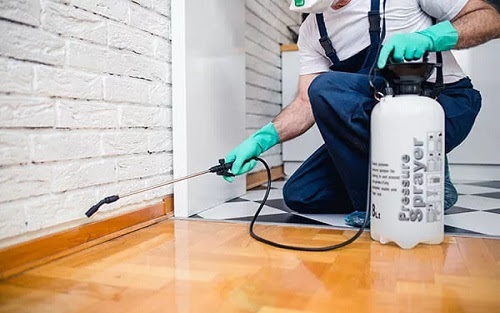
Retail surface sprays act primarily as contact repellents that scatter colonies deeper into wall cavities rather than eliminating the central nest.