
Bed Bugs Pest Control: Effective Ways to Eliminate Bed Bugs

Top Benefits of Pre Purchase Pest Inspections for Home Buyers
August 17, 2026
All Pest Solutions: A Complete Guide to Effective Pest Management
August 20, 2026
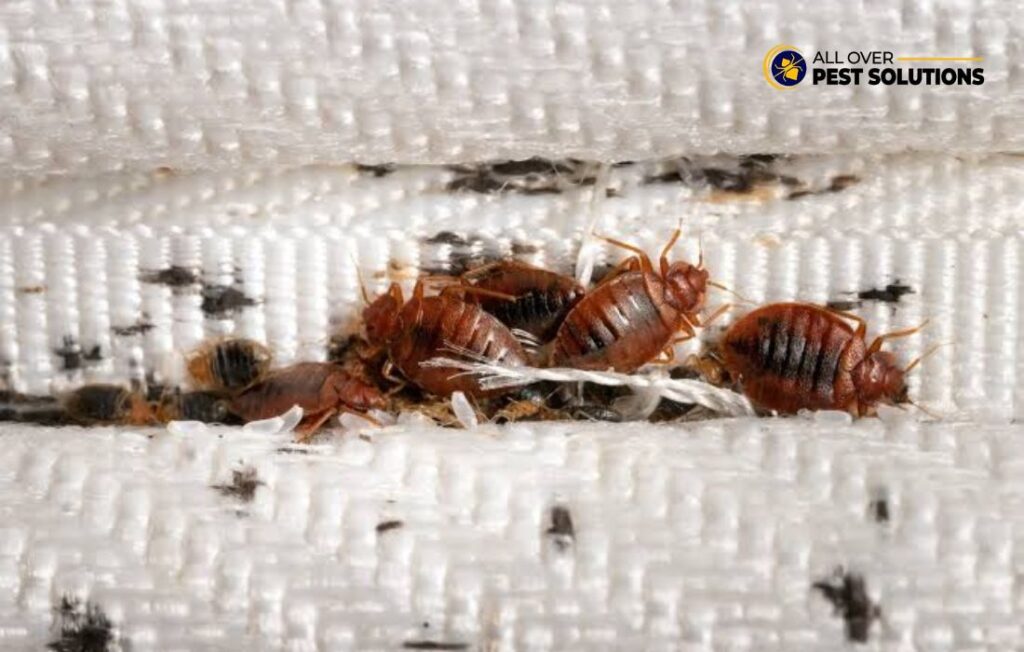
Waking up with unexplained itchy red welts, noticing tiny dark stains on your sheets, or feeling an uncomfortable crawling sensation at night are telltale signs of a bed bug problem. Bed bugs are among the most persistent and frustrating indoor pests. They are flat, small, reddish-brown parasites that feed almost exclusively on human blood while you sleep. Because they hide in tiny cracks, mattress seams, baseboards, and headboards, getting rid of them requires a systematic approach. Understanding how bed bugs operate, spotting early signs of infestation, using effective DIY techniques, and knowing when to call professional pest technicians is essential for restoring comfort and peace of mind to your home.
Understanding Bed Bug Behavior and Life Cycle
Bed bugs undergo incomplete metamorphosis across several life stages: egg, five nymph stages, and adulthood. To molt from one nymph stage to the next, a bed bug must take a blood meal. Female bed bugs can lay between one and seven eggs each day, totaling several hundred over their lifespan. Under typical indoor temperatures, eggs hatch within 6 to 10 days, allowing a minor problem to expand rapidly into a severe infestation within weeks. These pests are primarily nocturnal, emerging from deep recesses between midnight and dawn when hosts are stationary and asleep. They are attracted to carbon dioxide, body heat, and specific skin odors. Because their saliva contains an anesthetic and anticoagulant, their bites are completely painless at the moment of contact. Only hours or days later do the bites develop into itchy, swollen red bumps. A common misconception is that bed bugs only thrive in unhygienic environments. In reality, bed bugs do not care about dirt or cleanliness; they are hitchhikers that travel on luggage, second-hand furniture, clothing, and public transport seats. Any home, hotel, or apartment complex can host an infestation regardless of how clean it is.
Common Signs of a Bed Bug Infestation
Early detection makes treatment significantly easier and less costly. Rather than waiting for bites to appear, look for direct physical evidence in your sleeping and resting areas:
Dark Fecal Spots: Bed bugs excrete digested blood, leaving small, dark brown or black specks resembling felt-tip pen dots on mattress seams, bed frames, sheets, and walls.
Cast Skins and Egg Shells: As nymphs grow, they shed their exoskeletons. You may find tiny, translucent, pale yellow skins clustered along seams or under mattress tags.
Live Bugs: Adult bed bugs are roughly the size of an apple seed (4–5 mm) with flat, oval bodies. After feeding, their bodies swell, elongate, and turn darker reddish-brown.
Blood Stains on Linen: Tossing and turning can crush recently fed bugs, leaving small smears or droplets of blood on sheets and pillowcases.
Sweet, Musty Odour: Severe infestations produce an unpleasant, sweet, sickly odor caused by pheromones released from their scent glands.
Proven Non-Chemical and DIY Elimination Methods
While widespread infestations usually require specialized professional equipment, non-chemical methods help suppress population numbers and contain the spread.
High-Heat Washing and Drying
Bed bugs and their eggs cannot survive temperatures above 45°C (113°F) for prolonged periods, and exposure to 60°C kills all life stages within minutes. Strip all bedding, pillowcases, curtains, and affected clothing, place them in sealed plastic bags for transport, and wash them at the highest possible temperature setting. Follow this with at least 30 to 45 minutes in a high-heat clothes dryer.
Deep Vacuuming
Vacuum mattresses, box springs, headboards, carpets, skirting boards, and furniture thoroughly using a high-efficiency particulate air (HEPA) vacuum with a crevice tool. Focus heavily on tufts, seams, and dark corners. Immediately empty the vacuum canister or bag into a sealed plastic bag outside your home to prevent any captured bugs from crawling back inside.
Encasements
Encasing both the mattress and box spring with certified, bed-bug-proof zippered covers traps any remaining bugs inside and prevents new ones from finding harbourage in deep seams. Because adult bed bugs can survive several months without a blood meal in cool conditions, keep encasements sealed tightly for at least one full year.
Chemical and Modern Treatments Used in Professional Pest Control
When infestations spread into drywall cavities, baseboards, and deep structural gaps, basic surface cleaning is insufficient. Professional pest management employs advanced techniques tailored to the building layout:
Targeted Insecticide Applications
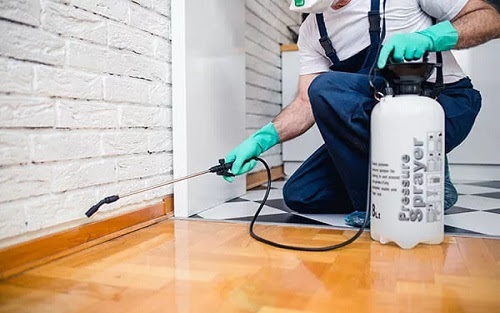
Qualified technicians apply specialized residual insecticides, insect growth regulators (IGRs), and desiccant dusts (such as amorphous silica) to hidden cracks and voids. Residual treatments ensure that emerging nymphs contact lethal doses as they leave their harborage. Modern treatments comply with strict health and safety standards to ensure human and pet safety while effectively neutralizing pests.
Thermal Heat Remediation
Whole-room or whole-house thermal heat treatment is one of the most effective non-chemical solutions available today. Industrial heaters raise the ambient indoor temperature to approximately 50°C–55°C (122°F–131°F) for several hours. This sustained high temperature penetrates walls, furniture, mattresses, and clutter, eradicating all life stages—including dormant eggs—in a single targeted visit.
Why Professional Bed Bugs Pest Control Is Essential
Attempting to treat a heavy bed bug infestation using over-the-counter bug bombs or standard surface sprays often backfires. Bug bombs do not penetrate the deep crevices where bed bugs hide; instead, the airborne irritants cause the colony to scatter deeper into wall cavities and adjacent rooms, complicating subsequent eradication efforts. Engaging an experienced pest management team ensures accurate identification, thorough room-by-room inspection, and an integrated treatment plan designed to eliminate both living bugs and hidden eggs.
Reliable Bed Bugs Control in Melbourne
For homeowners, landlords, and commercial property managers across Victoria, dealing with sudden pest issues requires prompt, dependable, and localized expertise. Securing dedicated bed bugs control melbourne services is critical for tackling infestations before they spread through multi-storey residences, hotels, and shared apartments. When seeking comprehensive, reliable property protection, all over pest solutions provides complete inspections, effective thermal and chemical treatment options, and tailored management plans. Their experienced technicians assess the exact level of infestation, implement industry-approved extermination methods, and provide practical follow-up guidance to ensure your premises remain completely pest-free.
Practical Steps to Prevent Future Bed Bug Infestations
Once your home is clear, proactive habits will keep bed bugs from returning:
- Inspect Hotel Rooms When Travelling: Keep luggage on elevated luggage racks or in the bathroom away from the bed. Check the headboard, mattress piping, and sheets before unpacking.
- Isolate Travel Gear Upon Return: Wash travel clothes immediately in hot water and vacuum your suitcases before storing them away.
- Exercise Caution with Used Furniture: Never bring discarded roadside furniture or second-hand mattresses into your home without a thorough inspection and professional sanitation.
- Seal Cracks and Crevices: Fill gaps around skirting boards, light switches, and pipe entry points to limit movement between rooms.
- Adopting these preventative measures and taking swift action at the first sign of activity will keep your home comfortable, safe, and protected against bed bugs year-round.