
Effective Bed Bugs Pest Control: Protect Your Home & Family

Complete Guide to Effective Termite Control in Melbourne
April 9, 2026
Get Rid of Spiders with Professional Pest Control Spider Services
April 11, 2026
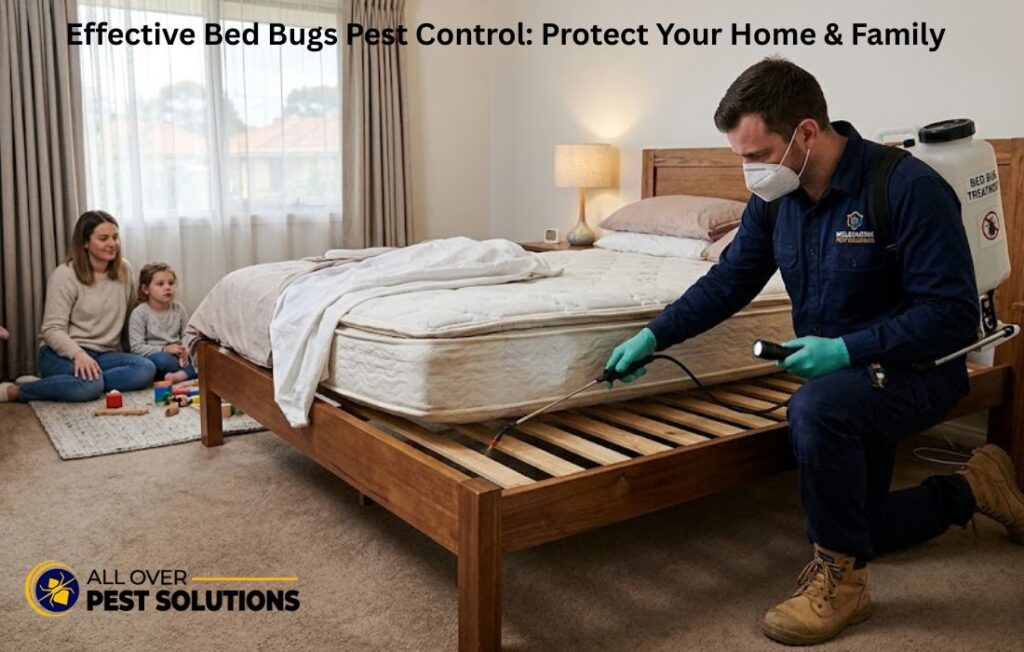
Waking up with itchy, red welts is a nightmare no homeowner wants to experience. Bed bugs are among the most resilient and psychologically taxing pests to deal with, often turning a place of sanctuary into a source of stress. These tiny, nocturnal hitchhikers don’t discriminate based on cleanliness; they are looking for one thing only: a blood meal. Understanding the mechanics of Bed Bugs Pest Control is the first step toward reclaiming your sleep and ensuring your family’s well-being. Because these insects are masters of hide-and-seek, a casual approach to eradication rarely works. It requires a systematic strategy that combines vigilance, heat, and professional-grade intervention.
The Hidden Nature of the Infestation
The challenge with bed bugs lies in their biology. They are flat, oval-shaped, and reddish-brown, allowing them to squeeze into the narrowest crevices of a bed frame, behind electrical outlets, or within the seams of a mattress. Often, the first sign isn’t seeing the bug itself, but rather the evidence they leave behind tiny dark spots of excrement on linens or discarded translucent skins. To achieve lasting bed bugs control, one must look beyond the mattress. These pests can travel through wall voids and shared pipes in apartment complexes, meaning a localized treatment in one room might simply drive them into the next. Identifying their “harborage” areas is critical, as missing even a single pregnant female can lead to a total resurgence within weeks.
Professional Strategies and Local Expertise
While DIY methods like essential oils or over-the-counter sprays are popular, they often fail to penetrate the deep cracks where eggs are hidden. This is where specialized knowledge becomes invaluable. For those living in high-density urban areas, seeking bed bugs control Melbourne services offers a significant advantage. Local experts understand the specific environmental factors and building structures common to the region, utilizing integrated pest management (IPM) techniques. This often involves a combination of high-temperature steam treatments, which kill bed bugs at all life stages (including eggs), and residual applications that ensure any survivors are eliminated as they emerge from hiding. Professional heat treatments are particularly effective because they raise the ambient temperature of a room to a level that is lethal to the bugs but safe for most household items.
Protecting Your Family and Preventing Return
The ultimate goal of pest management is long-term protection. After an initial treatment, the focus must shift to prevention. This includes encasing mattresses and box springs in certified bed-bug-proof covers, which traps any remaining bugs inside and prevents new ones from finding a home in the fabric. Regularly vacuuming carpets and baseboards, and immediately washing clothes in hot water after traveling, are simple yet effective habits. Protecting your family also means being cautious with second-hand furniture; always inspect used items thoroughly before bringing them into your living space. By staying informed and acting quickly at the first sign of a bite, you can maintain a pest-free environment and ensure that your home remains the safe haven it was meant to be.
FAQs:
Q1. How can I tell if I have bed bugs or just mosquitoes?
A: Bed bug bites typically appear in a clustered or zigzag pattern, often on areas exposed during sleep like the neck, arms, and legs. Unlike mosquito bites, which occur randomly, bed bug welts often appear night after night. You should also check for physical signs like tiny blood spots on sheets or dark fecal spots in mattress seams.
Q2. Is Bed Bugs Pest Control safe for my pets and children?
A: Yes, when performed by professionals. Expert technicians use Integrated Pest Management (IPM) techniques that prioritize non-chemical treatments first. If insecticides are required, they are applied to specific cracks and crevices where pests hide, ensuring your family and pets are not in direct contact with the treated areas.
Q3. Can I get rid of bed bugs on my own?
A: While DIY methods like washing bedding in hot water and vacuuming can reduce the population, they rarely eliminate an entire infestation. Bed bugs are experts at hiding in structural gaps and can survive for months without feeding. Professional bed bugs control is usually necessary to reach the eggs and deep-seated colonies that retail sprays often miss.
Q4. Why should I choose professional bed bugs control Melbourne services?
A: Melbourne’s climate and urban density provide an ideal environment for bed bugs to spread between homes and apartments. Local experts understand the common entry points in Australian architecture and use specialized equipment, such as industrial heat sensors and high-grade treatments, tailored to the specific challenges of the region.
Q5. How long does the treatment process take?
A: A standard treatment session usually takes a few hours, depending on the size of the home and the level of infestation. However, because bed bug eggs can hatch days after treatment, a follow-up inspection is often scheduled 10 to 14 days later to ensure that the bed bugs control measures were 100% effective.