
How to Get Rid of Spiders Safely? Expert Pest Control for Spiders

Spider Pest Control Melbourne: How to Get Rid of Spiders Fast?
March 24, 2026
9 Signs Your Business Needs Commercial Pest Control Services Immediately
April 1, 2026
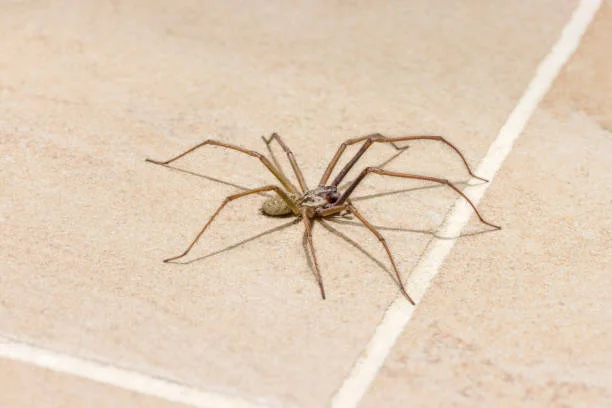
Spiders are fascinating creatures, but when they start appearing in your home, they quickly turn from intriguing to alarming. Whether it’s a single web in the corner or a full-blown infestation, effective pest control spider strategies are essential for a safe and comfortable home. In this guide, we’ll explore arachnid management, practical removal methods, home remedies, professional help, and long-term strategies to reduce spider populations.
Why Spider Control is Important
Most spiders are harmless, but some, like redbacks and funnel-webs, can pose real risks. Even non-venomous species can trigger anxiety, damage stored items, or leave unsightly webs. Effective spider control isn’t just about removing the spiders you see; it’s about preventing them from taking up residence and ensuring your family’s safety.
Spider infestations are more common than many realize, especially in climates like Melbourne, where spiders thrive both indoors and outdoors. Proper management involves understanding their behavior, habitats, and the best ways to reduce their numbers safely.
Understanding Arachnid Management
Arachnid management refers to a combination of strategies designed to minimize spider populations while keeping humans, pets, and beneficial insects safe. Unlike general pest control, spiders require a more targeted approach because:
- They often live in hidden or hard-to-reach areas.
- Some species are venomous and require careful handling.
- They reproduce quickly, making infestations grow if untreated.
Effective arachnid management includes:
- Inspection: Identify where spiders are entering your home and where they nest.
- Species identification: Determine whether they are harmless or dangerous.
- Targeted removal: Use vacuuming, sprays, or professional treatments.
- Prevention: Reduce habitats and food sources to prevent future infestations.
Common Methods for Spider Control
1. Vacuuming Spiders
One of the simplest and safest methods for removing spiders and their webs is vacuuming. This technique is highly effective for:
- Removing visible spiders in corners, ceilings, and under furniture.
- Eliminating webs and egg sacs before they hatch.
- Preventing spiders from relocating to other areas of the home.
After vacuuming, always dispose of the vacuum bag or empty the canister outdoors to prevent spiders from returning.
2. Insecticide Sprays
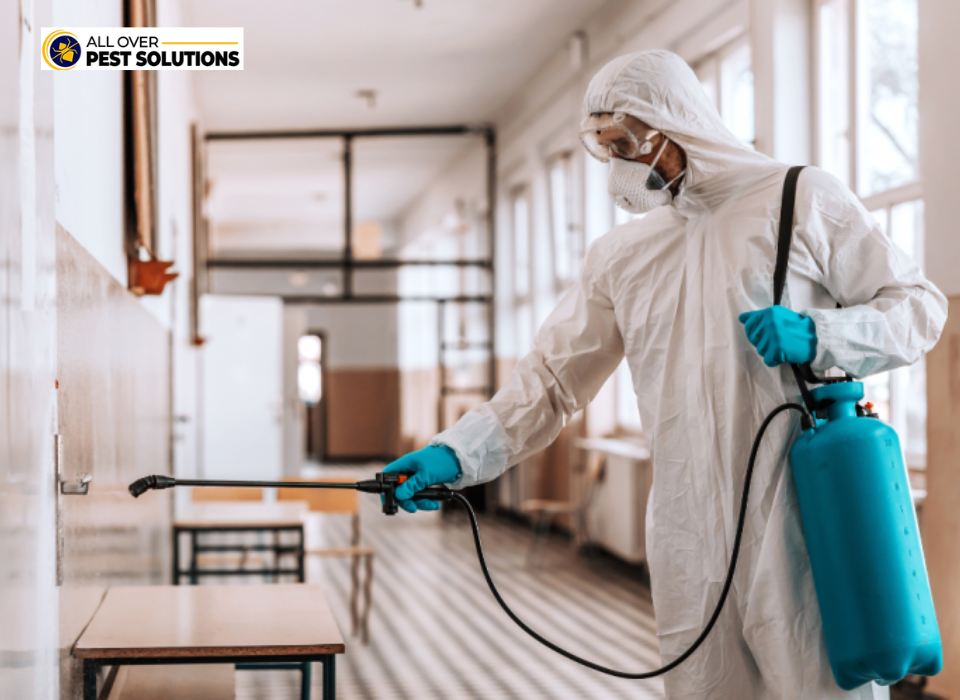
For persistent infestations, insecticide sprays specifically formulated for spiders can help. When using sprays:
- Apply to common hiding spots such as window sills, door frames, roof voids, and skirting boards.
- Follow manufacturer instructions carefully for safety.
- Keep pets and children away from treated areas until dry.
Professional spider pest controllers often combine sprays with other treatments to maximize effectiveness and reduce the need for repeated applications.
3. Habitat Reduction
Reducing spider-friendly habitats is one of the most sustainable methods of arachnid management:
- Declutter storage areas, garages, and basements.
- Keep outdoor plants trimmed and away from walls.
- Seal cracks, gaps, and entry points around windows, doors, and eaves.
- Reduce outdoor lighting that attracts insects—the main food source for spiders.
Habitat reduction prevents spiders from nesting indoors and significantly reduces the likelihood of future infestations.
Identifying Dangerous Spiders
Knowing which spiders pose a risk is crucial for safe pest control. Common dangerous spiders in Australia include:
- Redback Spiders: Recognizable by the red stripe on their back, often found in sheds, garages, and outdoor furniture. Their bites can be medically significant.
- Funnel-Web Spiders: Rare but extremely venomous. Typically found in moist outdoor areas.
- White-Tailed Spiders: Mostly harmless, though their bites can cause irritation in some people.
Correct identification ensures the right treatment method and reduces the risk of harm.
Home Remedies for Spider Control
If you prefer natural solutions, several home remedies can help manage minor spider problems:
- Essential oils: Peppermint, tea tree, and eucalyptus oils repel spiders when mixed with water and sprayed around entry points.
- Diatomaceous earth: A natural powder that deters spiders when sprinkled in corners, crevices, or along walls.
- Sticky traps: Effective for catching wandering spiders indoors.
- Regular cleaning: Frequent vacuuming and dusting remove webs, egg sacs, and hiding spots.
While these methods work for minor infestations, they are often insufficient for serious or ongoing problems. In those cases, professional pest control spider services are recommended.
When to Seek Professional Help
Professional intervention is necessary when:
- You see spiders frequently indoors.
- There are signs of venomous spiders, like redbacks or funnel-webs.
- DIY methods fail to reduce the population.
- You want long-term arachnid management rather than temporary fixes.
A professional Spider Pest Control Melbourne service offers:
- Full inspection of your home to identify spider hotspots.
- Safe, targeted insecticide treatments.
- Advice on long-term spider reduction strategies.
- Ongoing monitoring and follow-up for persistent infestations.
Professionals combine knowledge of spider behavior with safe, effective treatments to protect your home and family.
Long-Term Spider Reduction Strategies
Long-term success depends on consistent prevention and maintenance. Key strategies include:
- Regular Cleaning: Vacuum corners, ceilings, furniture, and hidden areas to remove webs and egg sacs.
- Declutter Storage Spaces: Keep boxes and items organized to eliminate undisturbed hiding spots.
- Seal Entry Points: Use caulk or weather stripping to close gaps around doors, windows, and eaves.
- Outdoor Management: Trim plants, remove garden debris, and reduce insect populations that attract spiders.
- Professional Treatments: Occasional professional inspections and treatments ensure spiders don’t reestablish in hidden areas.
By combining these practices with professional help, you can drastically reduce spider populations indoors and outdoors.
Myths About Spiders
There’s a lot of misinformation about spiders that can make people overreact. Here are some common myths:
- Myth: All spiders are dangerous.
Reality: Most spiders are harmless and help control insects. - Myth: Spider bites always lead to serious infections.
Reality: Only a few species’ bites require medical attention. Most cause minor irritation. - Myth: Sprays alone will eliminate spiders.
Reality: Spider control works best with a combination of cleaning, habitat reduction, and professional treatment.
Understanding these facts prevents unnecessary panic and helps you take the right action.
Indoor vs Outdoor Spider Control
Spiders often originate outside and enter homes looking for food or shelter. Effective arachnid management involves controlling both environments:
- Indoor Control: Vacuuming, targeted sprays, sticky traps, and reducing clutter.
- Outdoor Control: Garden maintenance, reducing moisture, trimming plants, and controlling insect populations.
Addressing both areas ensures spiders don’t have easy access to your home and reduces the chances of recurring infestations.
Conclusion
Spiders are a natural part of the ecosystem, but they don’t belong inside your home. Safe and effective pest control spider strategies combine identification, removal, habitat reduction, and professional support. By using techniques like vacuuming spiders, applying insecticide sprays responsibly, and maintaining preventive measures, you can manage arachnids effectively.
If DIY methods aren’t enough, professional Spider Pest Control Melbourne services provide long-term solutions, protecting your home and family from dangerous spiders while reducing overall infestations. Don’t wait for the webs to take over—take action today to keep your home spider-free.