
Rodent Pest Control Essentials: Smart Strategies to Keep Rats and Mice Out for Good
Pest Control Cockroaches: How to Get Rid of Them for Good in Melbourne
February 16, 2026
Pest Control and Rodent Management in Melbourne: A Practical Guide to Keeping Your Property Rodent-Free
March 2, 2026
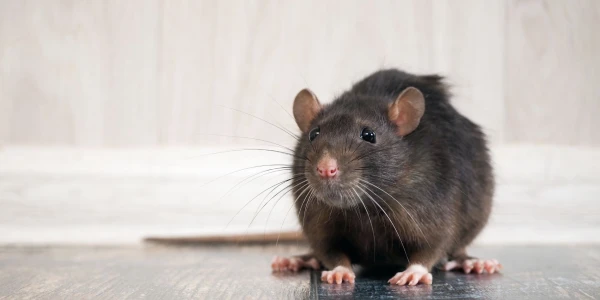
Rodents are more than just an occasional nuisance. A small scratching sound behind the wall or droppings in the kitchen can quickly turn into a serious infestation if ignored. Rats and mice adapt quickly to human environments, making homes and businesses easy targets for food, warmth, and shelter. Understanding pest control rodent basics helps you act early, protect your property, and avoid costly damage.
This guide breaks down everything you need to know about rodent pest control, from identifying the problem to choosing effective and humane solutions that actually work.
Why Rodent Problems Are More Serious Than You Think
Many people underestimate how fast rodents reproduce. A single pair of mice can produce dozens of offspring within months. Once established, rodents contaminate food, damage wiring, and create hidden nesting areas that are difficult to detect.
Common reasons rodents invade properties include:
- Easy access to food scraps
- Open garbage storage
- Warm indoor environments
- Small gaps or cracks in buildings
- Cluttered storage areas
The earlier you recognize the signs, the easier it becomes to control the infestation.
Rodent Identification: Rats vs. Mice
Correct identification is the first step in successful rodent pest control because treatment methods differ depending on the species.
🐭 Mice
- Small bodies with long thin tails
- Droppings resemble small grains of rice
- Active mostly at night
- Often found in kitchens, cupboards, and storage areas
Mice can squeeze through openings as small as a coin, making entry point sealing extremely important.
🐀 Rats
- Larger bodies with thicker tails
- Produce louder scratching sounds
- Prefer basements, roofs, and outdoor nesting areas
- Cause significant structural damage
Rats are more cautious than mice, which means standard traps may not always work immediately.
Signs of rodent activity include:
- Gnaw marks on wood or cables
- Greasy rub marks along walls
- Droppings or urine odor
- Scratching noises in ceilings or walls
- Torn food packaging
If you notice multiple signs, professional intervention becomes necessary.
Health Hazards Linked to Rodents
Rodents pose serious health risks beyond property damage. They carry bacteria and parasites that can spread through surfaces, food, and air particles.
Major health concerns include:
- Food contamination from droppings and urine
- Spread of diseases such as salmonella and leptospirosis
- Allergies triggered by rodent dander
- Increased asthma risks, especially for children
- Fleas and mites carried into living spaces
Because rodents constantly chew, they can also damage electrical wiring, increasing fire hazards. This makes fast pest control rodent action essential rather than optional.
Effective Rodent Pest Control Strategies
Successful rodent pest control requires a combination of prevention, monitoring, and elimination. Relying on one method alone rarely solves the problem.
1. Entry Point Sealing (The Most Important Step)
Rodents enter through surprisingly small gaps. Inspect areas such as:
- Door frames
- Roof edges
- Utility pipe openings
- Wall cracks
- Garage doors
Seal openings using steel wool, metal mesh, or durable sealants. Without sealing entry points, rodents will continue returning even after removal.
2. Mouse Traps and Mechanical Solutions
Mouse traps remain one of the most effective solutions for smaller infestations when placed correctly.
Best placement areas:
- Along walls
- Behind appliances
- Near droppings or nesting zones
Types of traps include:
- Snap traps
- Electronic traps
- Live capture traps
Proper placement matters more than quantity. Rodents typically follow wall edges rather than open spaces.
3. Rat Poisons: Use with Caution
Rat poisons can reduce large populations but must be handled carefully. Improper use may pose risks to pets, wildlife, or children.
Professional pest technicians often use controlled baiting systems designed to:
- Target rodents specifically
- Reduce accidental exposure
- Monitor consumption safely
For this reason, many property owners prefer professional rodent pest control services rather than DIY poisoning methods.
4. Ultrasonic Repellents: Do They Work?
Ultrasonic repellents emit high-frequency sounds intended to deter rodents. While they may provide temporary relief, they rarely eliminate infestations on their own.
They work best as a supportive prevention tool combined with:
- Sanitation improvements
- Entry point sealing
- Professional treatments
Think of ultrasonic devices as a supplement, not a complete solution.
Humane Rodent Removal Options
Many homeowners prefer humane pest management approaches. Fortunately, modern pest control allows effective removal while minimizing unnecessary harm.
Humane solutions include:
- Live trapping and relocation (where permitted)
- Eco-friendly baiting systems
- Preventive exclusion techniques
- Habitat modification to discourage nesting
Professional providers focus on long-term prevention rather than repeated extermination cycles.
When DIY Methods Are Not Enough
Small infestations can sometimes be controlled independently, but certain situations require professional help:
- Persistent rodent sightings
- Noises inside walls or ceilings
- Commercial property infestations
- Rapidly increasing droppings
- Property damage or electrical risks
Professional services identify hidden nesting zones and apply targeted treatments that homeowners often miss.
For property owners in Australia, services like All Over Pest Solutions’ Rodent Pest Control provide structured inspections, safe treatment plans, and prevention strategies tailored to local rodent behavior. Their approach focuses not only on removal but also on stopping reinfestation through detailed inspections and entry point management.
Preventing Future Rodent Infestations
Prevention is always easier than elimination. Simple habits significantly reduce rodent attraction.
Practical Prevention Tips
- Store food in sealed containers
- Clean crumbs and spills immediately
- Secure garbage bins tightly
- Trim vegetation near walls
- Fix leaking pipes or moisture issues
- Declutter storage spaces
Regular inspections help detect early signs before infestations grow.
The Long-Term Value of Professional Rodent Pest Control
Many homeowners attempt repeated DIY fixes without addressing root causes. Professional pest control combines inspection, treatment, and prevention into one structured plan.
Benefits include:
- Accurate rodent identification
- Safe treatment application
- Long-term prevention strategies
- Reduced health risks
- Peace of mind
Instead of reacting to infestations repeatedly, professional services create a protective barrier around your property.
Final Thoughts
Rodents are persistent, intelligent, and highly adaptable pests. Ignoring early warning signs often leads to larger infestations and higher repair costs. Effective rodent pest control requires a balanced approach that includes identification, sanitation, entry point sealing, and targeted treatments.
Whether you start with traps and prevention measures or choose professional assistance, taking action early makes all the difference. A clean, sealed, and monitored property remains the strongest defense against unwanted rodent activity.
Frequently Asked Questions (FAQs)
1. What are the first signs of a rodent infestation?
Common early signs include droppings, scratching noises at night, gnaw marks, unusual pet behavior, and food packaging damage.
2. Are mouse traps or rat poisons more effective?
Mouse traps work well for small infestations, while rat poisons are typically used for larger populations under professional supervision for safety.
3. How do rodents enter homes so easily?
Rodents squeeze through tiny openings around pipes, vents, doors, and roof gaps. Proper entry point sealing is critical for prevention.
4. Do ultrasonic repellents permanently remove rodents?
No. Ultrasonic repellents may discourage activity temporarily but should be combined with other pest control rodent methods.
5. When should I call a professional rodent pest control service?
You should contact professionals when infestations persist, rodents are inside walls or ceilings, or DIY solutions fail to reduce activity.