
Termite Control Services Safeguard Your Roof Frame

Bed Bugs Pest Control: How to Eliminate Infestations Safely
June 1, 2026
Rodent Control Melbourne: How to Keep Rats and Mice Out of Your Home
August 10, 2026
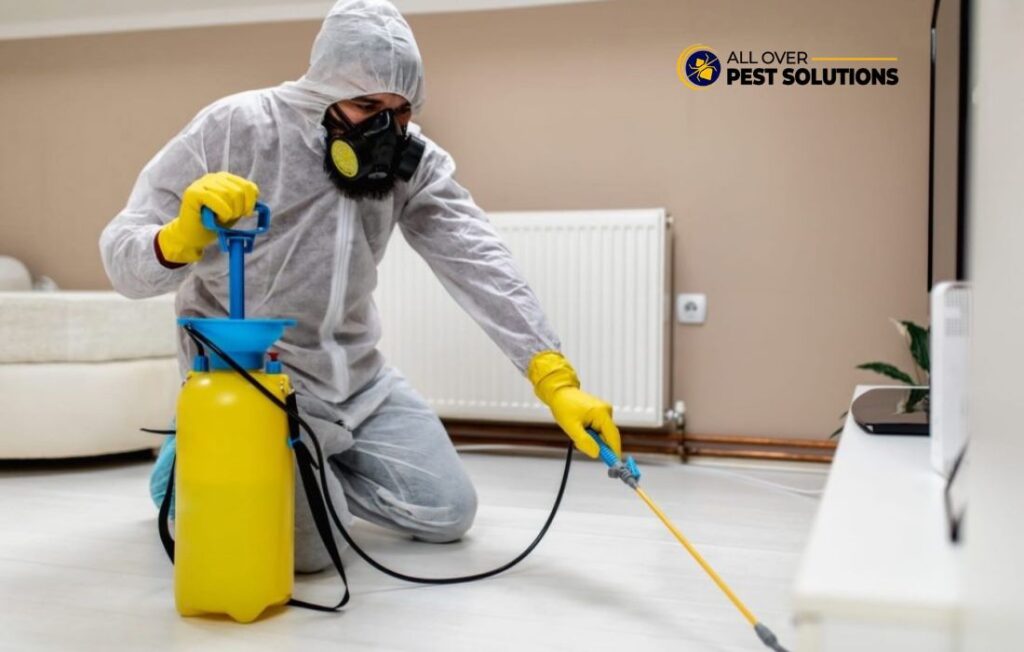
When property owners think about timber-destroying pests, they usually picture damage near the ground, like warped baseboards, hollow subfloors, or crumbling basement beams. However, subterranean termites are highly aggressive foragers that routinely travel upward through internal structural walls to colonize the highest points of a building. Your roof frame, which contains a massive concentration of structural softwood trusses and load-bearing timber beams, is a prime target for these silent destroyers. If a colony compromises this critical overhead framework, it can lead to sagging rooflines, fractured ceilings, and catastrophic structural failure. Protecting the structural framework of your home requires moving past simple visual guesswork and temporary over-the-counter DIY fixes. Relying on specialized termite control services is the only reliable way to ensure these wood-destroying insects are completely eradicated before they cause irreversible overhead damage. By understanding how these pests reach your roof cavity, utilizing next-generation detection hardware, and implementing long-term chemical or physical barriers, you can safeguard your home from major architectural liabilities.
The Hidden Pathway: How Termites Travel from Ground Soil to Roof Trusses
Subterranean termites require constant moisture to survive and will quickly dehydrate and die if exposed to open air and low indoor humidity. Because of this biological limitation, they live in large colonies deep inside the ground soil surrounding your property. To forage for food, they construct mud shelter tubes—meticulously engineered tunnels made of soil, saliva, and wood particles—which shield them from predatory ants and drying winds. These mud tracks allow them to travel long distances from the ground up into your home’s structural framing. Termites typically gain access to a roof frame by traveling through hidden building cavities. They tunnel upward through concrete slab cracks, along internal plumbing lines, inside electrical conduit gaps, or behind finished plasterboard walls. Because they eat cellulose from the inside out, an infestation can thrive within your roof trusses for years without showing any external signs. By the time a homeowner notices visual symptoms, the internal core of the timber beams may already be hollowed out, leaving behind a dangerously thin shell that compromises the structural stability of the entire roof.
The Massive Financial Danger of Structural Roof Frame Destruction
The structural timber components within your roof cavity, including rafters, collar ties, ceiling joists, and supporting purlins, are designed to distribute heavy loads evenly across your home’s external load-bearing walls. When termites target these essential softwoods, they systematically weaken the density of the wood. As the structural timber loses its integrity, it can no longer support the weight of concrete roof tiles, corrugated metal sheets, solar panel arrays, and heavy dynamic loads caused by high winds or pooling rainwater. Fixing a roof frame damaged by termites is one of the most expensive emergency structural repairs a homeowner can face. Unlike a standard wall repair, fixing an overhead truss system requires extensive structural propping, temporary roof removal, and the complex replacement of primary load-bearing beams. In severe cases where the damage is widespread, the entire roof must be completely rebuilt from scratch, resulting in massive out-of-pocket expenses that are rarely covered by standard building insurance policies. Investing in a professional treatment for termites early acts as an essential insurance policy that completely protects your household deposit and savings.
Technical Diagnostic Tools Used to Uncover Hidden Ceiling Infestations
Because termites operate silently behind thick plaster sheets and deep within roof insulation layers, finding them with a basic visual walkthrough is nearly impossible. Professional pest technicians use advanced diagnostic hardware to scan your property from boundary to boundary without causing damage to your walls. The primary tool used for modern ceiling surveys is a high-sensitivity thermal imaging camera, which maps subtle changes in temperature across your plaster walls and ceiling panels. Because an active termite colony generates localized heat and moisture through metabolic activity, thermal imaging reveals hidden nesting zones as clear hotspots on a digital screen. In addition to thermal sensors, technicians use specialized electronic moisture meters and acoustic radar devices to track down hidden infestations. Termites pack their feeding galleries with moist mud to control their environment, creating distinct damp zones behind drywall. A digital moisture check can instantly pinpoint these unusual wet areas inside your ceiling. Once a suspicious zone is identified, acoustic radar technology is used to detect the faint vibrations and clicking sounds made by soldier termites guarding the colony. This multi-layered technical approach ensures that no hidden pest pocket goes unnoticed, regardless of how deep it sits inside your roof frame.
Comprehensive Treatment Pathways: Eradicating Termites from Overhead Structural Timbers
Eliminating an active infestation from a high ceiling frame requires a multi-stage approach that destroys both the foraging insects overhead and the primary reproductive colony hidden deep in the ground soil. Modern termite control services avoid harsh chemical foggers, focusing instead on targeted, eco-friendly systems that safely achieve complete colony elimination. The first step involves treating active overhead feeding galleries with non-toxic, low-pressure termiticide foams or dusts. These specialized formulations are carefully injected into small entry points along the affected timber beams, filling the internal wood voids completely without entering your living spaces. The true secret to permanent elimination lies in utilizing the insects’ natural grooming habits against them. Modern treatments use slow-acting insect growth regulators that foraging termites unknowingly carry back to their underground nests. As the worker termites share food and groom one another, the active chemical spreads throughout the entire population, eventually neutralizing the queen and collapsing the root colony source. Once the subterranean nest is completely destroyed, the overhead foraging pathways dry up, ensuring your roof frame is fully protected from future structural attacks.
Long-Term Prevention: Creating Sustainable Defensive Barriers
Successfully clearing an active pest problem is an important milestone, but ensuring your home remains permanently protected requires setting up durable, long-term defensive barriers. Subterranean pests are constantly foraging for new food sources through the soil. The most dependable way to stop them from returning is to establish a continuous subfloor liquid chemical barrier around the entire perimeter of your home’s foundations. This process involves applying a specialized, non-repellent termiticide into the soil around your external footings, creating an invisible defensive zone that intercepts and destroys foraging insects before they can reach your internal walls. In addition to ground soil barriers, making minor maintenance adjustments around your property can drastically lower your risk of attracting pests. Ensure that all roof gutters, valleys, and downpipes are completely clear of leaves and debris, as blocked drainage can cause water to back up and pool against your external walls, soaking the internal timber plates. Keep subfloor vents clear of garden mulch and dirt to ensure proper airflow and prevent moisture traps. Finally, schedule routine property checks with local experts to catch potential entry pathways early, maintaining full structural integrity across your estate.
Navigating Specific Soil and Regional Hazards in Victoria
Property buyers and homeowners across Victoria face unique environmental and geographical pest hazards that require localized expertise. Pockets of the state feature highly volatile, reactive clay soils that shift dramatically between wet winter months and dry summer heatwaves. This constant ground movement creates hairline fractures in concrete floor slabs, providing subterranean pests with easy, hidden pathways directly into your internal wall frames. Furthermore, properties located near heavily timbered state parks, historic rail corridors, or established river flats face a much higher risk of pest activity. For example, arranging a specialized termite control melbourne service is crucial for protecting local investments from aggressive native wood-destroying species (Coptotermes acinaciformis). Our experienced regional field teams understand these specific local environmental conditions, delivering custom structural assessments and durable treatment options designed to safeguard your home from the ground up to the roof ridges.
Frequently Asked Questions:
Q: Can termites damage a roof frame if the home is built with a steel or concrete structure?
A: Yes, absolutely. Even if your home features a steel frame or sits on a solid concrete slab, your property can still face serious structural timber risks. Termites are highly resourceful foragers that will travel along steel studs, electrical lines, and plasterboard tracking to locate wood assets. Most steel-framed homes still use structural timber for ceiling battens, internal door jams, architraves, cabinetry, and roof fascia boards. If a colony targets these areas, it can still cause extensive material damage and require expensive internal repairs.
Q: How often should I arrange a professional timber pest check to protect my roof cavity?
A: According to Australian Standards, homeowners should secure a comprehensive timber pest inspection at least once every 12 months. However, if your property sits in a high-risk geographic zone—such as a heavily wooded regional area, near river corridors, or in a suburb with documented pest history—scheduling checks every six months is highly recommended. Regular property health checks ensure that hidden foraging paths are caught early, protecting your roof frame long before severe structural hollows can develop.
Q: Will a standard home and contents insurance policy cover termite roof repairs?
A: No, the vast majority of standard home and contents insurance policies across Australia explicitly exclude damage caused by termites and other wood-boring insects. Insurance companies view pest damage as a preventable maintenance issue rather than a sudden, accidental event. Because the financial burden of structural repairs falls entirely on the property owner, investing in routine inspections and professional preventative treatments is the only dependable way to shield your household savings.
Q: Partner with Core Building Inspections for Complete Peace of Mind
A: Do not leave the structural security of your largest financial investment to visual guesswork. Whether you are entering a new property transaction or require independent maintenance testing, getting certified building insight is your fastest path to a safe, secure, and fully code-compliant home.
At Core Building Inspections, we combine over 10 years of trusted industry experience with advanced thermal mapping technology to locate, analyze, and track down hidden structural flaws and active timber-destroying pests. Protect your deposit, maintain total contract leverage, and rest easy knowing your real estate assets are safe and sound. Contact our local western corridor service desk directly at (03) 9016 4240 to speak with a specialist and secure your competitive, upfront quote today.