
The Ultimate Guide to Effective Bed Bugs Pest Control at Home

9 Signs Your Business Needs Commercial Pest Control Services Immediately
April 1, 2026
How to Choose the Best Rodent and Pest Control Service
April 6, 2026
There is perhaps nothing more unsettling than going to sleep in your own home and waking up to find you are not alone. Waking up with clusters of itchy, red bites is the tell-tale sign of a nightmare that plagues thousands of households every year: bed bugs. These tiny, nocturnal parasites feed on human blood, and their presence can take a massive toll on your mental health, causing sleep deprivation, anxiety, and extreme stress. When you discover an infestation, your first instinct is usually panic, followed closely by the urge to throw your entire mattress out the window. However, take a deep breath. While they are incredibly stubborn, these pests can be eradicated. This guide will walk you through the reality of these nocturnal nuisances and outline the most effective steps for comprehensive bed bugs pest control in your home.
Recognizing the Enemy: Are You Sure It’s Bed Bugs?
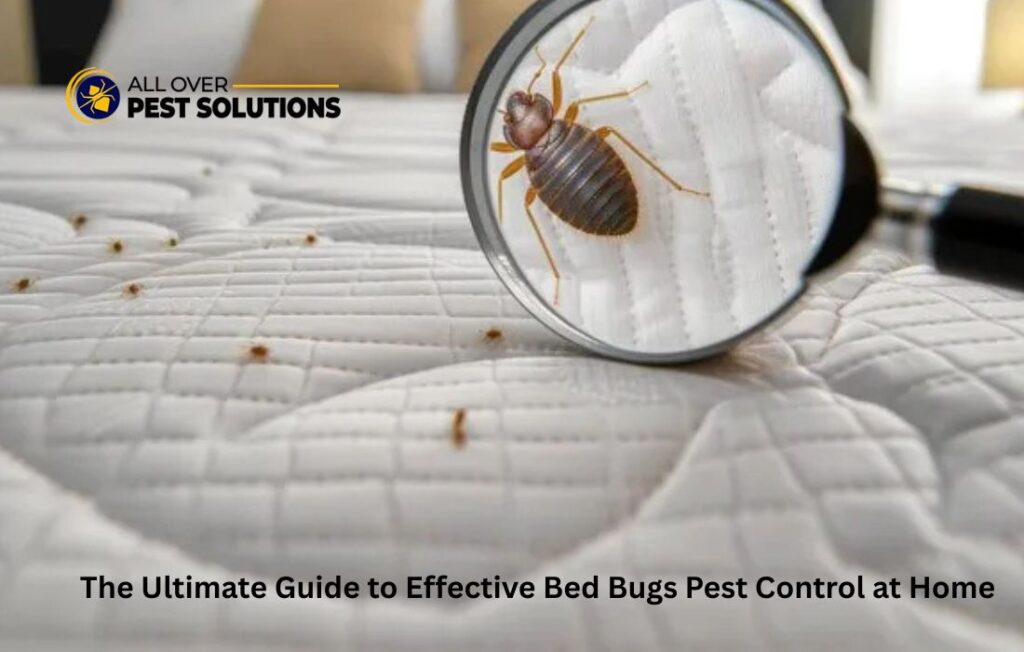
Before you declare war, you need to be certain of what you are fighting. Bed bugs are small, flat, oval-shaped insects that are roughly the size of an apple seed. They are brownish-red, especially after they have fed. Because they are notoriously good hiders, you are more likely to see the evidence they leave behind than the bugs themselves. If you suspect an infestation, strip your bed completely and grab a flashlight. You need to inspect the deep seams of your mattress, the corners of your box spring, behind your headboard, and even in the cracks of your bedside tables. Look for tiny, rust-colored or reddish stains on your sheets (crushed bugs) or small dark spots that look like marker bleeds (bed bug excrement). You might also find pale yellow, hollow shells, which are the exoskeletons they shed as they grow. If the infestation is severe, you might even notice a faint, sweet, musty odor in the room.
The Problem with DIY Treatments
When desperate, many homeowners turn to the internet for quick, do-it-yourself remedies. You will find recommendations for everything from rubbing alcohol and essential oils to baking soda and store-bought bug bombs. Unfortunately, relying on these methods is usually a recipe for prolonged frustration.
Bed bugs are arguably one of the most resilient insects to invade human spaces often requiring even more specialized, aggressive strategies than standard bed bugs control treatments. Store-bought bug bombs or foggers are highly ineffective. Because bed bugs hide in deep, narrow crevices, the fog never reaches them. Instead, it acts as a repellent, causing the bugs to scatter and flee deeper into your walls or into neighboring rooms, turning a localized problem into a whole-house infestation. While natural sprays might kill a bug on direct contact, they leave behind no residual protection to kill the hundreds of eggs waiting to hatch.
The Preparation Phase: Setting the Stage for Success
Whether you are attempting a rigorous cleaning or preparing for the professionals to arrive, preparation is the most critical step in taking back your bedroom. You cannot skip this phase if you want the treatment to be successful. First, you must quarantine the area. Do not move blankets, pillows, or clothing from the infested room to a clean room, or you will simply spread the problem. Strip all the bedding, including mattress protectors and bed skirts, and place them directly into sealed plastic garbage bags. Empty your dressers and closets in the affected room. All clothing and linens must be washed in the hottest water the fabric can withstand, followed by a full cycle in the dryer on the highest heat setting for at least 30 minutes. Heat is a bed bug’s absolute worst enemy; temperatures above 45°C (113°F) will kill them in all life stages, including the eggs. Next, vacuum the entire room meticulously. Vacuum the mattress seams, the bed frame, along the baseboards, and inside empty dresser drawers. When you are finished, immediately remove the vacuum bag, seal it tightly in a plastic bag, and dispose of it in an outdoor trash bin.
The Ultimate Solution: Calling in the Professionals
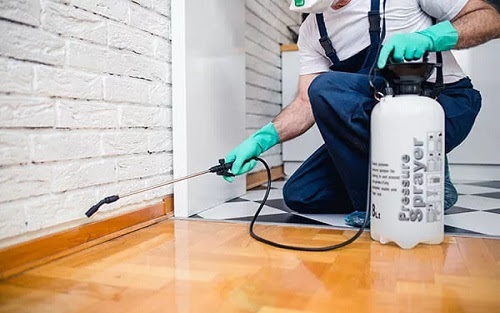
Because these pests reproduce at a staggering rate and can survive for months without a blood meal, DIY efforts usually only trim the population without eliminating it. When you are losing sleep and your peace of mind is shattered, it is time to bring in the experts. If you are dealing with an infestation in Victoria, engaging a specialized bed bugs control melbourne service is the only way to guarantee complete eradication. Professional pest controllers like All Over Pest Solutions have access to commercial-grade treatments and the technical knowledge required to find every single hiding spot. Professionals typically use a multi-faceted approach. This often includes targeted chemical treatments using residual insecticides that continue to kill bugs long after the technician has left. These chemicals are applied safely to cracks, crevices, and baseboards where bugs travel. In some cases, advanced heat treatments are utilized, where the ambient temperature of the room is safely raised to a level that is lethal to the bugs, penetrating deep into furniture and walls. They will also apply insect growth regulators (IGRs) which interrupt the bugs’ lifecycle, preventing young nymphs from maturing and reproducing.
Life After Treatment: Preventing Future Nightmares
Once your home has been professionally treated and cleared, your focus must shift to prevention. The easiest way to deal with bed bugs is to never let them cross your threshold again. Start by investing in high-quality, bug-proof mattress and box spring encasements. These heavy-duty covers zip tightly shut, trapping any remaining bugs inside to eventually die, and preventing new bugs from making a home in your mattress seams. Be highly vigilant when traveling. Always inspect hotel beds before unpacking, keeping your luggage on a metal luggage rack rather than on the bed or the floor. When you return home, wash all your travel clothes immediately on high heat. Finally, be incredibly cautious when purchasing second-hand furniture. A beautiful vintage armchair might be a bargain, but it isn’t worth it if it brings a hidden colony of pests into your living room.
Frequently Asked Questions:
Q: Do I need to throw away my mattress if I have bed bugs?
A: In most cases, no. Unless the mattress is heavily soiled, damaged, or torn (providing deep hiding spots), professional treatments combined with a high-quality mattress encasement can salvage your bed. Your pest control technician will advise you if the mattress is unsalvageable.
Q: How did I get bed bugs in the first place?
A: Bed bugs are excellent hitchhikers. They are not a sign of a dirty home. They are easily picked up in hotels, motels, public transit, movie theaters, or by bringing infested second-hand furniture or clothing into your house.
Q: Can I sleep in my bed after a professional treatment?
A: Usually, yes. In fact, many pest controllers encourage you to sleep in the bed. Because bed bugs are attracted to the carbon dioxide you exhale, your presence draws them out of hiding and forces them to cross the freshly laid, lethal chemical barriers.
Q: How long does a professional treatment take to work?
A: It is common to see a few sluggish bugs for a week or two following the initial treatment as eggs hatch and the bugs contact the residual chemicals. Complete eradication often requires a follow-up visit a few weeks later to break the breeding cycle completely.