
Rodent and Pest Control: Prevent Fires and Health Risks Today

Rodent and Pest Control: Safeguard Your Home from Rats and Mice
April 25, 2026
Bed Bugs Pest Control: Reclaim Your Sleep with Expert Solutions
April 28, 2026
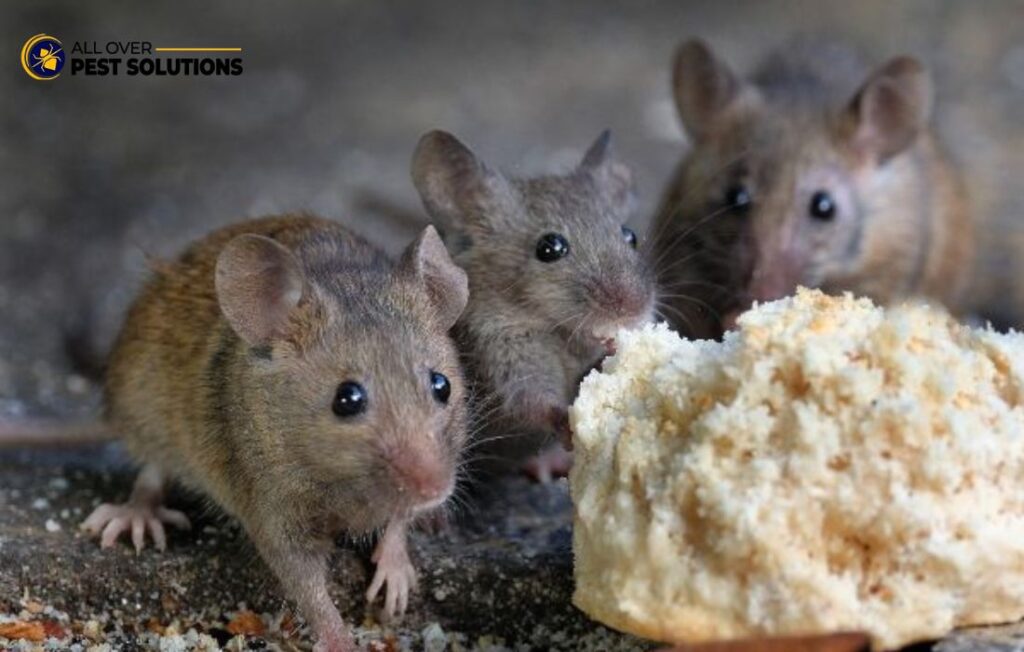
The presence of rats and mice in a residential or commercial setting is often viewed as a minor nuisance or a cleanliness issue. However, in the modern Australian property landscape of 2026, the reality is far more dangerous. Beyond the unpleasant sight of a scuttling shadow in the kitchen, rodents represent a dual threat to the physical infrastructure of your building and the biological health of its occupants. This comprehensive guide explores why professional rodent and pest control is a critical safety requirement, focusing on the prevention of catastrophic electrical fires and the mitigation of serious, often invisible, health risks.
The Silent Firestarter: How Rodents Endanger Your Infrastructure
One of the least discussed but most devastating consequences of an infestation is the risk of fire. Rodents, particularly the Rattus norvegicus (Brown Rat) and Mus musculus (House Mouse), possess incisors that grow continuously throughout their lives at a rate of approximately 10 to 12 centimeters per year. To manage this growth, they must gnaw on hard materials to wear their teeth down. In a modern home, the most attractive chew toy is often your electrical wiring. The plastic polymer insulation found on wires provides the perfect resistance for a rodent to sharpen its teeth. When the insulation is stripped away, live wires are exposed. This creates a high-risk environment for:
Arcing and Short Circuits: Exposed copper wires can touch, leading to sparks and immediate electrical failure.
Smoldering Fires: In many cases, the wire doesn’t “pop” immediately. Instead, it smolders against dry timber framing or attic insulation, slowly building heat until an open flame erupts—often in the middle of the night.
Inaccessible Damage: Because rodents prefer the safety of wall cavities and roof voids, this damage remains invisible to the naked eye. Most homeowners only realize there is a problem after a fire has already started or when specialized pest control for rodents specialists uncover the damage during a routine audit.
Statistics suggest that a significant portion of house fires with undetermined causes are actually the result of rodent-compromised wiring. Investing in rodent and pest control today is, quite literally, an investment in fire prevention.
The Biological Hazard: Understanding Rodent-Borne Pathogens
While the fire risk is a structural concern, the health risks associated with pest control rodents are a direct threat to human life. Rodents are “vectors,” meaning they carry and transmit diseases without necessarily being affected by them. These pathogens are spread through their droppings, urine, saliva, and the parasites (like fleas and ticks) they bring into your home.
1. Leptospirosis and Salmonellosis
Rodents are notorious for contaminating food preparation surfaces. Even if you don’t see them on your counters, they leave behind microscopic trails of urine. Salmonellosis is frequently spread this way, leading to severe gastrointestinal distress. More severely, Leptospirosis can be contracted through contact with water or soil contaminated with infected rodent urine, potentially leading to kidney damage or liver failure if left untreated.
2. Lymphocytic Chorio-meningitis (LCMV)
Primarily carried by the common house mouse, LCMV is a rodent-borne viral infectious disease that causes inflammation of the membrane surrounding the brain and spinal cord. While many people experience mild flu-like symptoms, the long-term neurological impacts can be severe, particularly for those with compromised immune systems.
3. Allergic Reactions and Asthma
The dander, hair, and dried droppings of rodents can become airborne, especially in homes with ducted heating and cooling. For children and adults with respiratory sensitivities, an undiagnosed rodent problem can lead to chronic asthma flare-ups and severe allergic reactions.
The Professional Approach to Eradication
Many property owners turn to retail traps or over-the-counter baits when they first suspect a problem. However, these “band-aid” solutions rarely address the root of the infestation. Effective rodent and pest control requires a strategic, three-phase approach: Detection, Exclusion, and Eradication.
Phase 1: Forensic Detection
A professional technician doesn’t just look for a mouse; they look for the evidence of a colony. This includes identifying rub marks (greasy streaks left by rodent fur against walls), analyzing dropping patterns to determine the species, and using thermal imaging to locate nesting sites inside wall cavities.
Phase 2: Structural Exclusion
You cannot solve a rodent problem if the “front door” is still open. Rodents can squeeze through gaps as small as a pencil. Professional pest control for rodents includes sealing these entry points with materials rodents cannot chew through, such as galvanized steel mesh, specialized caulking, and metal kick plates. This ensures that once the current population is removed, a new one doesn’t simply move in the next day.
Phase 3: Targeted Eradication
Using a combination of tamper-resistant bait stations and high-tech trapping systems, professionals manage the active population. These stations are designed to be pet-safe and child-safe, ensuring the toxic components are only accessible to the target pests. Furthermore, professionals use professional-grade anticoagulants or non-toxic tracking powders that allow for the total removal of the colony without leaving dead animals in inaccessible areas to rot and cause secondary odor issues.
Sanitation and Post-Infestation Recovery
The job of a pest control rodents expert doesn’t end when the last mouse is gone. The “bioload” left behind—the droppings, nests, and urine remains a health hazard.
A thorough service should involve:
HEPA Vacuuming: Removing droppings and nesting material without kicking dust into the air.
Antimicrobial Treatment: Fogging the attic or subfloor with hospital-grade disinfectants to neutralize viruses and bacteria.
Odour Neutralization: Eliminating the pheromone trails that attract future rodents to the same location.
Why 2026 Demands Proactive Pest Management
As urban areas in Victoria become more densely populated, the natural habitats of rodents are shrinking, pushing them closer to our homes. Climate shifts have also led to longer breeding seasons, meaning a small problem can become a full-scale infestation in just a matter of weeks. The cost of a professional rodent and pest control service is a fraction of the cost of an electrical rewiring job or a hospital visit. By taking action today, you are not just removing a pest; you are safeguarding your home’s electrical integrity, protecting your family’s respiratory health, and ensuring that your sanctuary remains a safe, hygienic environment. Don’t wait for the sound of scratching in the ceiling or the smell of burning plastic. Protect your home and your health by engaging with expert rodent management today.