
Rodent and Pest Control: Effective Solutions for Attic Pests

Bed Bugs Pest Control: Reclaim Your Sleep with Expert Solutions
April 28, 2026
Rodent and Pest Control: Protect Your Home from Damage & Disease
May 14, 2026
The attic is often the most neglected part of a residential structure, yet it serves as the primary gateway for infestations that can compromise the entire building. In many homes across Victoria, this elevated space provides a perfect, undisturbed environment for various species to thrive, sheltered from predators and the elements. However, what begins as a minor nuisance in the roof void can rapidly escalate into a significant threat to your property’s structural integrity and your family’s health. Achieving a permanent solution requires a shift in perspective moving away from reactive trapping and toward a comprehensive, integrated management system. By focusing on the unique vulnerabilities of the upper levels of your home, you can implement long-term defenses that keep your living spaces secure, quiet, and hygienically sound.
The Attic as a Biological Magnet for Pests
To understand why the roof space is so attractive to intruders, one must consider the basic needs of survival: shelter, warmth, and security. In a typical suburban environment, the attic offers an abundance of nesting materials, from fiberglass insulation to stored cardboard boxes, all kept at a relatively stable temperature thanks to the home’s heating system. For many animals, the height of the attic provides a natural defense against ground-level predators like cats or foxes. This sense of security allows populations to breed rapidly and without interruption. Furthermore, the dark, enclosed nature of the void means that an infestation can remain undetected for months, allowing the inhabitants to establish complex pheromone trails that act as beacons for other pests in the area.
Identifying the Residents of Your Roof Void
Recognition is the first step in any successful eradication plan. While many homeowners assume that any scratching sound at night is a mouse, the attic can host a diverse range of specialists. Rats, particularly the Roof Rat (Rattus rattus), are exceptional climbers and prefer the higher altitudes of a house over the damp subfloor. They are identified by their long tails and larger, blunt-ended droppings. Mice, being smaller, can enter through gaps no wider than a pencil and often nest directly within the wall cavities that connect to the attic. In some cases, you may even be dealing with birds or possums, though these require different legal and biological approaches. A professional audit of the droppings, nesting materials, and entry points is essential to tailor the treatment to the specific species present.
The Invisible Risks to Home Infrastructure
The dangers associated with attic dwellers extend far beyond simple noise. One of the most critical risks is the destruction of electrical systems. Because the incisors of rodents grow continuously throughout their lives, they must gnaw on hard materials to keep them at a functional length. In the darkness of an attic, the plastic-coated wiring of your home’s electrical circuit becomes an easy target. Stripped wires are a leading cause of electrical fires, often occurring in areas that are difficult for smoke detectors to monitor early on. Additionally, the compaction and contamination of insulation significantly reduce its R-value, leading to increased energy costs as your heating and cooling systems struggle to maintain the desired temperature against a compromised thermal barrier.
Strategic Exclusion and Perimeter Hardening
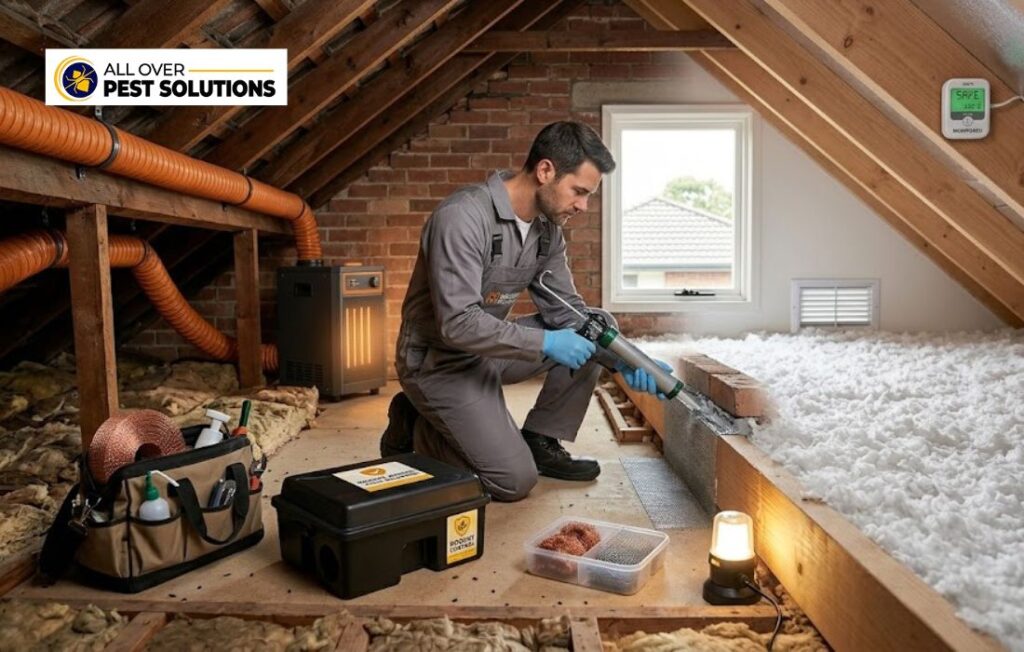
The most effective form of rodent and pest control is ensuring that the transition from the outdoors to the indoors is physically impossible. This process, known as exclusion, involves a meticulous bottom-to-top inspection of the home’s exterior. Common entry points include gaps where utility lines enter the building, damaged soffits, and the areas where the roofline meets the gutters. Unlike temporary fixes like expanding foam, which rodents can easily chew through, professional exclusion utilizes high-grade materials such as galvanized steel mesh, copper wool, and heavy-duty sealants. By “hardening” the building’s envelope, you remove the possibility of a re-infestation, making your home a fortress that no longer relies on the continuous use of lethal baits.
Modern Baiting and Trapping Methodologies
While exclusion stops new arrivals, the existing population inside the attic must be managed swiftly and humanely. The modern approach to pest control and rodent control has evolved significantly from the hazardous “scatter baiting” of the past. Today, professionals utilize tamper-resistant bait stations and high-sensitivity snap traps placed strategically along known runways. These runways are often identified by rub marks the dark, greasy stains left behind by the oils in a rodent’s fur as it brushes against surfaces. By placing equipment exactly where the pests feel most comfortable moving, you increase the capture rate while ensuring that baits are kept entirely separate from children, pets, and non-target wildlife.
Decontamination and Restoring Attic Hygiene
The final and most overlooked stage of a professional intervention is the cleanup. Once the active population is gone and the entry points are sealed, the attic remains a reservoir of bacteria, allergens, and pheromones. Dried droppings and urine can aerosolize, entering the home’s ventilation system and potentially causing respiratory issues or allergic reactions. A comprehensive pest control for rodents service should include the removal of contaminated materials and the application of an antimicrobial mist. This process neutralizes pathogens and, perhaps more importantly, destroys the scent trails left by the previous inhabitants. Without this reset, the lingering smell of a former colony can act as a powerful attractant for future pests looking for a pre-established home.