
Rodent and Pest Control: Protect Your Home from Damage & Disease

Rodent and Pest Control: Effective Solutions for Attic Pests
May 7, 2026
Bed Bugs Pest Control: How to Eliminate Infestations Safely
June 1, 2026
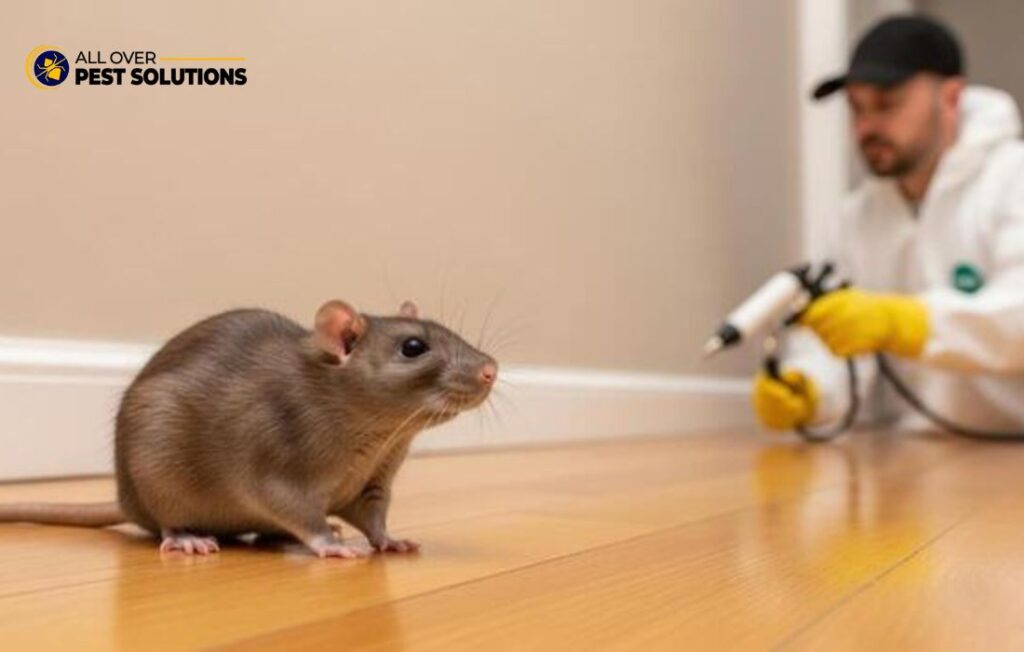
Maintaining a residence involves more than just interior design and structural upkeep; it requires a vigilant defense against the biological threats that seek to share our living spaces. As urban environments expand and weather patterns shift in 2026, the intersection between human habitation and wildlife becomes increasingly complex. Many homeowners overlook the subtle signs of an unfolding infestation until the consequences become visible, expensive, or hazardous to health. Implementing a professional strategy for Rodent and Pest Control is not merely a matter of convenience—it is a fundamental requirement for the preservation of property value and the physical well-being of every occupant. By moving beyond reactive measures and embracing a holistic, preventative mindset, residents can ensure their sanctuary remains truly secure.
The Biological Reality of Urban Intruders
In the modern landscape, certain species have adapted with remarkable efficiency to thrive alongside humans. These opportunistic creatures have learned that our homes provide a consistent source of the three pillars of survival: food, water, and climate-controlled shelter. However, their presence is fundamentally incompatible with a hygienic domestic environment. Unlike casual garden visitors, these specific intruders are designed by nature to exploit the structural vulnerabilities of a building. They can squeeze through gaps no larger than a coin, climb vertical surfaces with ease, and navigate complex plumbing systems to reach the heart of a home. Understanding the biological drive behind these movements is the first step in creating a barrier that is both effective and sustainable.
Structural Risks: The Silent Destruction of Infrastructure
One of the most immediate threats posed by an unchecked infestation is the physical degradation of the building itself. Most rodents possess incisors that never stop growing, a biological trait that compels them to gnaw on hard materials to prevent their teeth from becoming a liability. In the hidden cavities of a home the wall voids, the attic, and the subfloor this gnawing often targets essential infrastructure. Electrical wiring is a particularly frequent casualty; the plastic insulation around wires is often stripped away, creating a significant fire hazard that can remain undetected until a short circuit occurs. Furthermore, the structural integrity of timber beams, PVC piping, and even insulation materials can be compromised, leading to costly repairs and reduced energy efficiency for the household.
The Health Equation: Mitigating Disease Vectors
Beyond the physical damage, the presence of unwanted pests introduces a variety of pathogens into the living environment. These intruders act as vectors for a range of serious illnesses, spreading bacteria and viruses through their droppings, urine, and saliva. Surface contamination in kitchens and pantries is a primary concern, as a single nocturnal visit can leave behind salmonella or leptospirosis on food preparation areas. Furthermore, the nesting materials and accumulated waste can dry out and become airborne, triggering respiratory issues and severe allergic reactions in sensitive individuals, particularly children and the elderly. A comprehensive approach to rodent control melbourne addresses these risks by focusing on deep sanitation and the total removal of biological markers following the eradication process.
Strategic Exclusion: Hardening the Home Envelope
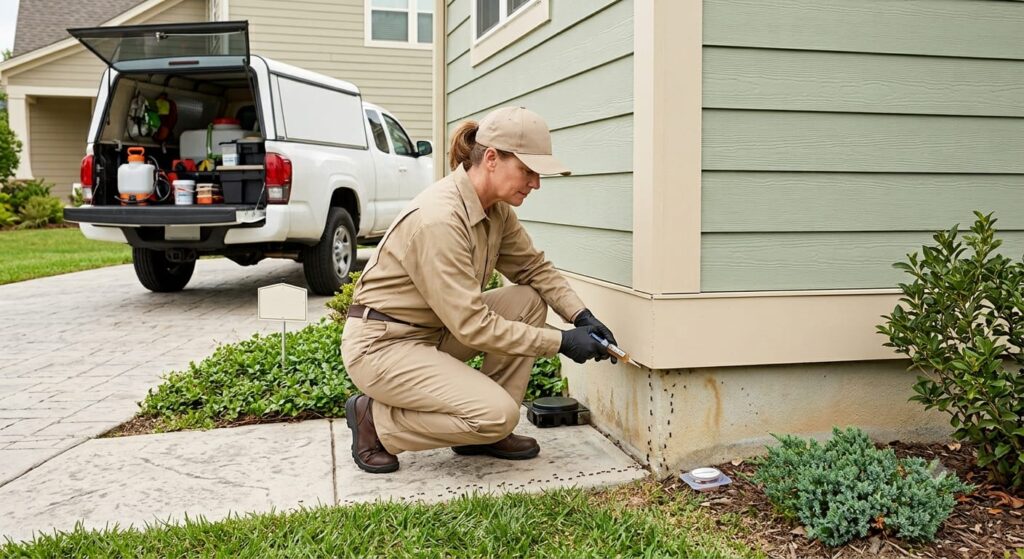
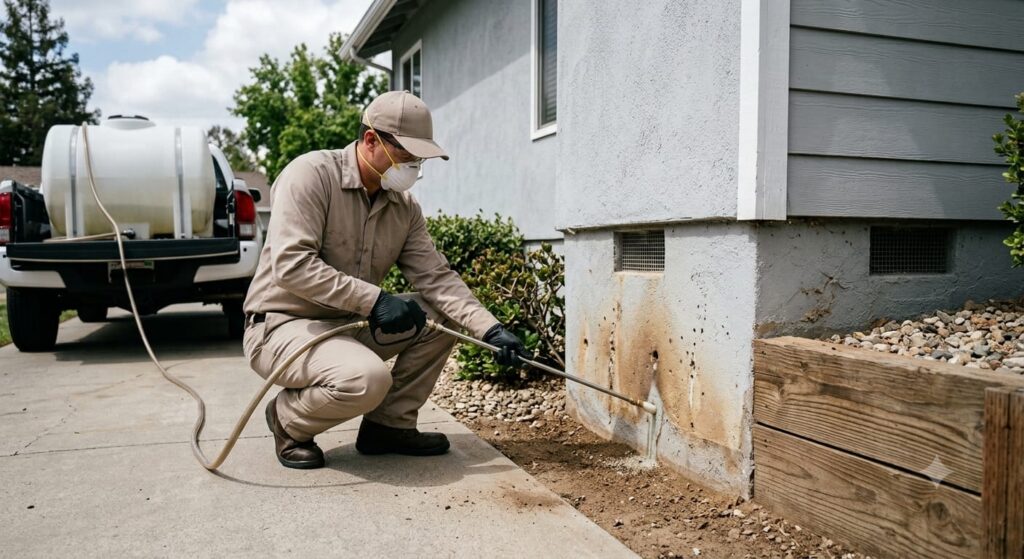
The most effective long-term solution to a pest problem is ensuring they cannot enter in the first place. This process, known as exclusion, involves a meticulous “bottom-to-top” audit of the property’s exterior. Professionals look for entry points such as gaps around utility pipes, damaged roof tiles, or vents that lack fine metal mesh. Because mice can fit through a hole the size of a ballpoint pen, no gap is too small to ignore. Hardening the envelope of a home requires high-quality materials such as galvanized steel wool and heavy-duty sealants that cannot be gnawed through. By creating a physical barrier, you remove the reliance on continuous baiting and trapping, providing a more permanent and environmentally friendly defense for the property.
Professional Intervention for Pest Control Rodents
While DIY methods like retail traps may provide temporary relief, they rarely address the root of the problem: the breeding colony. Expert pest control rodents services utilize advanced technology, such as thermal imaging and motion-activated sensors, to track movement within walls and ceilings. This data-driven approach allows for the strategic placement of tamper-resistant stations that are safe for pets and children. Professionals also understand the neophobia (fear of new things) inherent in many pest species, using pre-baiting techniques to ensure the maximum number of individuals are removed in the shortest possible time. Combined with a customized sanitation plan to remove attractants, professional intervention offers a level of thoroughness that off-the-shelf products simply cannot match.
Long-Term Monitoring and Maintenance
The battle against urban pests is not a one-time event but a continuous process of monitoring and adaptation. Seasonal changes often trigger new waves of movement, as pests seek warmth in the winter or water during the dry Australian summers. Regular maintenance visits ensure that exclusion barriers remain intact and that no new vulnerabilities have developed due to structural settling or garden growth. By partnering with experts who understand the local ecology and behavior patterns of these intruders, homeowners can enjoy the peace of mind that comes with a truly protected environment. Investing in professional management today is the most effective way to prevent the health crises and structural failures of tomorrow.
Frequently Asked Questions:
1. How do I know if the scratching sounds in my roof are rodents?
A: Scratching, scurrying, or thumping sounds especially at night are primary indicators of a rodent presence. Unlike birds, which are active at dawn, rodents are nocturnal and will often move along the wall cavities and ceiling joists to navigate the home.
2. Can rodents actually cause a house fire?
A: Yes. Rodents have incisors that grow continuously, compelling them to gnaw on hard materials like electrical wiring to keep their teeth sharp and at a manageable length. Stripped wires are a leading cause of electrical fires in hidden areas like attics.
3. Is “exclusion” better than using traditional baits?
A: Exclusion is considered a more permanent and environmentally friendly solution because it focuses on physically hardening the home’s envelope with materials like galvanized steel mesh. While baits handle the current population, exclusion ensures that new pests cannot enter the home in the future.
4. Are the droppings left in my attic dangerous?
A: Absolutely. Droppings and urine carry various pathogens and can aerosolize over time, potentially causing respiratory issues or spreading diseases like salmonella. A professional service typically includes decontamination to neutralize these biological markers.
5. How often should I have my home inspected for pests?
A: Annual inspections are highly recommended, as seasonal changes and structural settling can create new entry points. Regular monitoring ensures that any minor breach is identified and sealed before it turns into a full-scale infestation.
6. Will professional treatments harm my pets?
A: Professional services, such as those provided by All Over Pest Solutions, prioritize the use of tamper-resistant stations and pet-safe placement strategies. This data-driven approach ensures that baits and traps are inaccessible to children and animals while remaining highly effective against pests.