
Bed Bugs Pest Control: How to Eliminate Infestations Safely

Rodent and Pest Control: Protect Your Home from Damage & Disease
May 14, 2026
Termite Control Services Safeguard Your Roof Frame
June 1, 2026
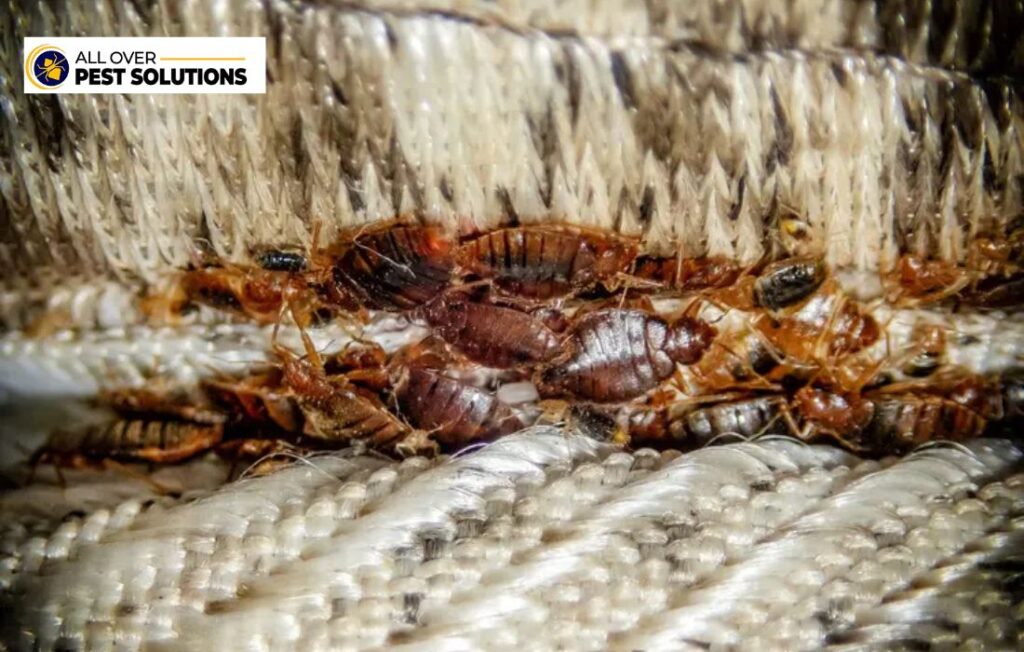
Waking up with clusters of itchy, red welts on your skin is a frustrating experience that points to a common household problem: a bed bug infestation. These tiny, nocturnal insects are exceptional hitchhikers, easily finding their way into pristine residential homes, luxury hotels, and high-density apartment complexes via luggage, secondhand furniture, and clothing. Once they establish a foothold inside your mattress, bed frame, or carpet borders, reproducing colonies spread rapidly behind plasterboards and baseboards. Achieving complete eradication requires a highly strategic approach that combines deep biological understanding, advanced tracking technology, and non-toxic elimination treatments. Relying on hasty DIY measures or over-the-counter chemical sprays often worsens the problem, driving pest colonies deeper into structural wall cavities. Executing professional Bed Bugs Pest Control demands an systematic framework that prioritizes human safety, property protection, and permanent elimination. By understanding the true behavior of these insects, utilizing specialized detection hardware, and deploying targeted thermal or non-toxic chemical treatments, homeowners can reclaim their living spaces from these persistent pests.
Understanding Bed Bug Biology and Infestation Behaviors
To successfully implement a sustainable plan for bed bugs control, you must first understand the unique biology and behavioral traits of these wood and fabric-dwelling insects. Bed bugs (Cimex lectularius) are small, oval, brownish insects that feed exclusively on the blood of humans and warm-blooded animals. Adult bed bugs possess flat bodies roughly the size of an apple seed, which swell significantly and turn a reddish color after a successful feeding cycle. Because they are strictly nocturnal parasites, they hide during daylight hours in tight, dark crevices, emerging only in the early morning hours to locate a host by tracing body heat and carbon dioxide emissions. The reproductive timeline of a bed bug colony is remarkably aggressive, making early detection vital for affordable pest management. A single female bed bug can lay anywhere from one to five eggs per day, producing hundreds of eggs over her lifetime. These minuscule, translucent eggs are securely glued inside dark structural seams, floor cracks, and behind electrical outlet plates, making them completely invisible to an untrained eye. Under optimal room temperatures, eggs hatch within ten days, and the emerging nymphs pass through five distinct lifecycle stages, requiring a fresh blood meal before each shedding process. Left unchecked, a minor introduced pest issue can easily transform into a building-wide structural infestation within a matter of weeks.
Recognizing the Invisible Signs of an Active Infestation
Many property owners mistake early bed bug activity for minor skin allergies, flea bites, or mosquito issues, delaying critical remediation and allowing the colony to multiply. Protecting your household from a widespread infestation requires routine inspections of sleeping quarters, looking far past the surface fabrics. The most definitive indicator of an issue is noticing physical welts on the skin, which typically appear in linear patterns of three or four bites often referred to as a “breakfast, lunch, and dinner” feeding track. These bites cause intense localized itching, swelling, and superficial skin irritation, though they do not transmit blood-borne diseases. Beyond physical skin reactions, a developing colony leaves clear material evidence across your bedding, mattress seams, and primary structural furniture pieces. Inspecting your sleeping zones closely will often reveal tiny, dark brown or black spots on bedsheets, pillowcases, and mattress piping, which are actually drops of dried insect waste. As the population grows, you may also find translucent, hollow skins discarded by growing nymphs along baseboards and carpet tracks, as well as faint, rust-colored blood smears left on sheets after a feeding cycle. In severe cases, a heavily infested room will develop a distinct, sweet, and musty odor produced by the insects’ scent glands, signaling that the colony has expanded far beyond the mattress cover.
Step-by-Step Guide to Preparing Your Living Space for Treatment
Whether you choose a thermal heat process or target non-toxic chemical applications, meticulous room preparation is the single most critical factor in achieving total eradication. Bed bugs are highly sensitive to environmental disruptions; if a room is treated without thorough preparation, the insects will simply scatter into neighboring rooms, wall cavities, or underlying floorboards, leading to immediate re-infestation. Before starting any specialized treatment pathway, you must systematically isolate, decontaminate, and clean every item within the targeted zone. Begin by stripping all bedding, mattress protectors, pillow covers, curtains, and nearby clothing directly from the affected area, placing them immediately into heavy-duty plastic garbage bags to prevent insects from falling off during transport. Take these sealed bags directly to your laundry facilities, washing all fabrics in hot water at a minimum temperature of 60°C, followed by a high-heat drying cycle lasting at least thirty minutes to destroy all adult insects, nymphs, and eggs. Next, remove all clutter from floor surfaces, closets, and under-bed storage boxes, checking every book, picture frame, and decorative item for hidden insects before moving them out of the space. Finally, use a high-powered vacuum cleaner equipped with a HEPA filter to thoroughly clean mattress seams, box springs, bed frames, baseboard tracks, and carpet edges. Once completed, immediately seal the vacuum bag in a plastic bag and dispose of it in an outdoor bin to ensure no surviving pests crawl back inside.
Safe and Effective Elimination Methods: Heat vs. Chemical
When it comes to executing premium Bed Bugs Pest Control, modern extermination methods focus heavily on non-toxic, eco-friendly pathways that maximize insect mortality while fully keeping your family and pets safe. The gold standard for modern eradication is thermal heat treatment, a highly advanced process that uses specialized mobile heating units to safely raise the internal ambient temperature of an infested room to between 56°C and 62°C. Technicians maintain this temperature uniformly for several hours, allowing the dry heat to penetrate deep into structural wall cavities, mattress foam cores, heavy furniture framing, and floorboards. Because bed bugs and their eggs have zero thermal resistance, this eco-friendly method achieves complete, 100% mortality across all lifecycle stages in a single session, requiring absolutely zero chemical usage. For localized issues or properties where thermal heat cannot be deployed, combining heat with eco-friendly targeted chemical applications provides an incredibly dependable solution. Modern pest specialists utilize low-toxicity, residual insect growth regulators and natural desiccant dusts, such as medical-grade diatomaceous earth, rather than harsh synthetic pesticides. These specialized powders are carefully applied deep inside baseboard cracks, behind electrical wall plates, and directly along structural carpet borders. When foraging insects crawl through these non-toxic barriers, the dust physically dehydrates their outer protective shells, naturally breaking down the colony’s lifecycle without introducing volatile chemical vapors into your clean indoor living environment.
Long-Term Prevention Strategies to Keep Your Home Bed Bug Free
Successfully clearing an active pest problem is a major relief, but maintaining a permanently insect-free home requires implementing smart, ongoing prevention habits. Because these pests travel via external contact, your primary goal should be stopping them from hitchhiking into your clean household infrastructure. When returning home from business travel, regional holidays, or hotel stays, never place your suitcases directly onto carpets, sofas, or beds. Instead, inspect your luggage under bright light, wipe down your bags with non-toxic sanitizer, and immediately place all travel clothing directly into a high-heat laundry wash to neutralize any hidden pests. In addition to smart travel habits, protecting your structural bedding elements with specialized physical barriers provides an excellent defense layer for long-term bed bugs control Invest in high-quality, laboratory-tested mattress and box spring encasements that feature micro-zipper entry systems. These smooth, puncture-proof covers permanently seal your mattress structure, preventing external insects from nesting inside the fabric folds and trapping any overlooked pests inside where they cannot feed, eventually neutralizing them. Finally, maintain a clean, clutter-free bedroom layout, minimize the use of secondhand rugs or un-inspected vintage wooden furniture, and vacuum your home floor assets regularly to ensure bugs never find a safe space to colonize.
Frequently Asked Questions:
Q: Can I eliminate an active bed bug problem on my own using commercial bug bombs?
A: No, attempting to clear an infestation using commercial bug bombs or foggers is highly discouraged by professional entomologists and pest experts. These aerosol products simply apply a superficial layer of chemical residue over open surfaces, failing to reach deep into the dark mattress seams, baseboards, and wall cavities where the insects actually hide. Even worse, the harsh chemical fumes often startle the colony, triggering a defensive dispersion that drives the insects deeper into your property’s framing and adjacent rooms, making eventual professional removal far more complex and expensive.
Q: How long can a bed bug colony survive inside an empty, vacant bedroom?
A: Bed bugs are incredibly resilient parasites capable of surviving for long periods without a blood meal. In standard indoor climates (around 20°C), adult bed bugs can easily enter a low-energy state and survive for anywhere from five to ten months without feeding. In cooler storage conditions, their metabolism slows even further, allowing them to survive for up to a full year. This is why simply closing off an infested room or vacating a property for a few weeks will not starve out the colony; active, specialized treatment remains completely necessary.
Q: Are professional thermal heat treatments safe for delicate household electronics and furniture?
A: Yes, when managed by certified, experienced pest control technicians, thermal heat treatments are completely safe for standard household assets. Before the room’s temperature is raised, technicians provide a detailed checklist and guide you through removing highly sensitive items, such as aerosol cans, wax candles, oil paintings, and delicate indoor plants. Standard household electronics, furniture frameworks, clothing, and appliances are fully capable of safely withstanding the controlled heating process without suffering any damage.
Q: Partner with Core Building Inspections for Complete Peace of Mind
A: Do not leave the structural security of your largest financial investment to visual guesswork. Whether you are dealing with a developing household issue or require independent property checking, securing certified expertise is your fastest path to a clean, comfortable, and pest-free home.
At Core Building Inspections, we combine over 10 years of trusted industry experience with advanced thermal tracking technology to detect, locate, and analyze hidden structural liabilities and timber-destroying pests. Protect your household deposit, maintain complete contract leverage, and rest easy knowing your real estate assets are safe, sound, and fully code-compliant. Contact our professional western corridor service desk directly at (03) 9016 4240 to speak with a specialist and secure an upfront, competitive quote today.