
Rodent and Pest Control: Safeguard Your Home from Rats and Mice

Bed Bugs Pest Control: Protecting Your Home and Sleep Quality
April 25, 2026
Rodent and Pest Control: Prevent Fires and Health Risks Today
April 28, 2026
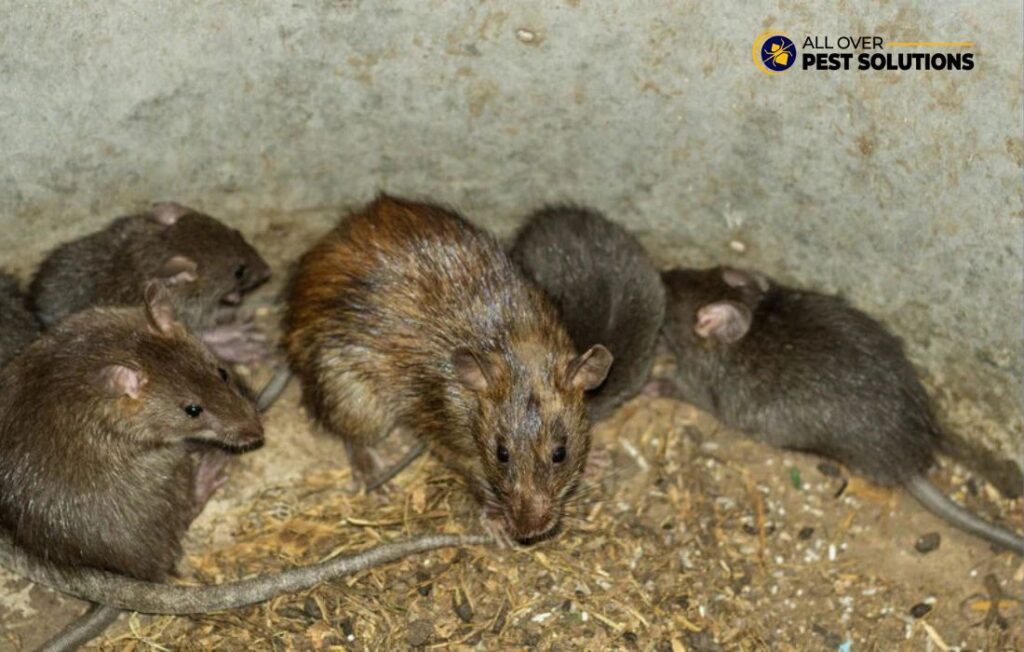
Protecting your property from the intrusion of rats and mice is more than a matter of convenience; it is a critical step in preserving your family’s health and the structural integrity of your building. Rodent and Pest Control explores the hidden dangers of an infestation and the science-backed methods required to achieve total eradication. In Melbourne’s varying climate, these opportunistic scavengers seek shelter in roof voids, wall cavities, and subfloors, bringing with them a host of risks that most homeowners never see until it is too late. By understanding the biology of these pests and the importance of professional pest control for rodents, you can transform your home into a fortress that is both uninviting and inaccessible to unwanted guests.
The Hidden Dangers of a Rodent Infestation
When we discuss rodent and pest control, the conversation often focuses on the “ick” factor of seeing a mouse scurry across the kitchen floor. However, the real threats are far more sinister. Rodents are notorious for their constant need to gnaw. Because their incisors never stop growing, they must chew on hard materials to wear them down. In a modern home, this often means your electrical wiring, PVC plumbing pipes, and structural timber. A significant percentage of “undetermined” house fires in Victoria are actually caused by rodents chewing through insulation on live wires. Furthermore, rats and mice are carriers of over 35 different diseases, including Salmonellosis and Leptospirosis, which can be spread through their droppings, urine, and the fleas or ticks they carry into your living space.
Recognizing the Early Warning Signs
Early detection is the cornerstone of effective pest control rodents. Because these creatures are nocturnal and naturally secretive, you may have a thriving colony in your attic long before you ever see a physical animal.
Droppings and Urine: Fresh droppings are dark and moist, usually found along baseboards or in cupboards.
Scratched Surfaces and Gnaw Marks: Look for damage on food packaging, wooden structures, or even plastic bins.
Noises in the Night: Scurrying, scratching, or squeaking sounds coming from the ceiling or behind walls are definitive indicators of an active infestation.
The Smell of Rodents: A persistent, stale, ammonia-like odor in enclosed spaces like pantries or lofts often suggests a large and established population.
Why DIY Methods Often Fall Short
Many homeowners attempt to handle the problem themselves using retail traps or poisons. While these may kill an individual mouse, they rarely solve the root cause of the infestation. Rodents are highly intelligent and exhibit neophobia a fear of new objects. This makes them wary of poorly placed traps. Additionally, over-the-counter baits are often slow-acting, and if not used correctly, can lead to rodents dying in inaccessible wall cavities, creating a secondary problem of foul odors and fly infestations. Professional pest control for rodents goes beyond simple baiting; it involves a comprehensive strategy of exclusion, sanitation, and population management that breaks the breeding cycle.
The Professional Exclusion Strategy
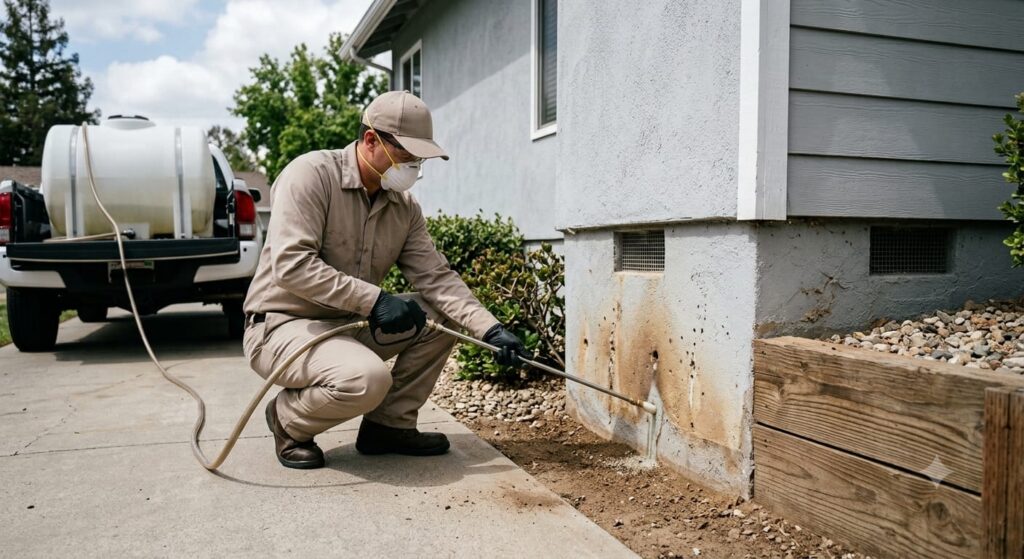
The most effective way to manage pest control rodents is to ensure they never get inside in the first place. A professional technician will perform a perimeter audit to identify entry points as small as a pencil (for mice) or a thumb (for rats).
Sealing Gaps: Using specialized materials like steel wool or heavy-duty wire mesh that rodents cannot chew through.
Modifying the Environment: Removing food sources, trimming overhanging branches that act as bridges to your roof, and ensuring firewood is stored away from the main structure.
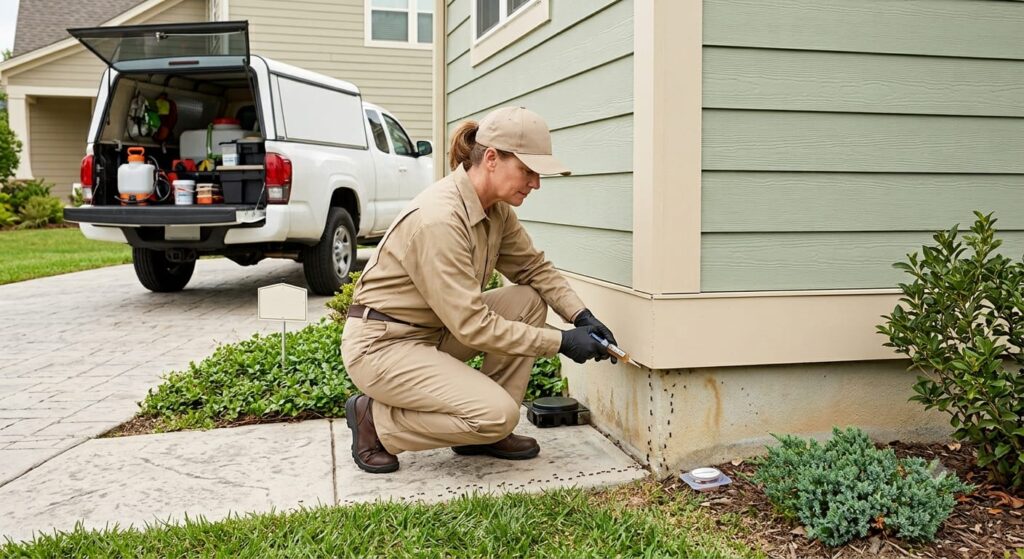
Strategic Baiting and Trapping: Utilizing lockable, pet-safe bait stations that are strategically placed in high-traffic rodent zones to reduce the population safely and efficiently.
Reclaiming Your Sanctuary
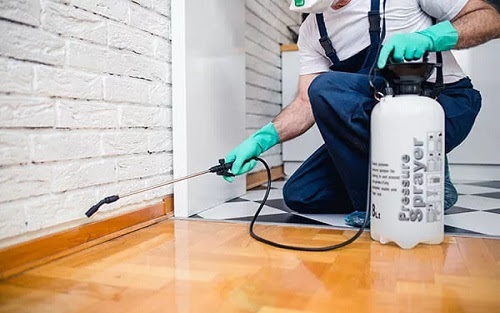
Once the active population is eradicated and the entry points are sealed, the final stage of pest control rodents is sanitation. Professional services often include the removal of contaminated insulation and the application of antimicrobial mists to neutralize pathogens left behind. This clean slate approach ensures that your home is not only rodent-free but also hygienically safe for your children and pets. By investing in professional rodent and pest control, you are not just buying a one-time service; you are securing a long-term solution that provides absolute peace of mind and protects the value of your Melbourne property for years to come.
Frequently Asked Questions:
1. How do I know if I have a mouse or a rat?
The easiest way to tell is by their droppings. Mouse droppings are small (about 3-8mm) with pointed ends, resembling black rice. Rat droppings are much larger (up to 20mm) and usually have blunt ends. Rats also leave larger gnaw marks and have more “greasy” rub marks along walls where their fur touches the surface.
2. Are the baits used in professional rodent control safe for my pets?
Yes, when handled by professionals. We use lockable, tamper-resistant bait stations that keep the bait secure from dogs, cats, and children. The stations are designed so only a rodent can enter and consume the bait.
3. How long does it take to get rid of a rodent problem?
Most infestations show a significant reduction within 7 to 10 days. However, a complete eradication typically requires two to three visits over a month to ensure that newly born rodents are also managed and that all entry points have been successfully sealed.
4. Why do rodents come into my house even if I keep it clean?
While a clean home helps, rodents are primarily looking for warmth and shelter, especially during Melbourne’s colder months. Even a spotless home provides protection from predators and the elements. Once inside, they will find tiny crumbs or even pet food that you might have missed.
5. Can rodents damage my home’s foundation?
While they don’t usually damage concrete foundations, they can cause significant damage to the insulation, electrical wiring, and timber framing within the house. If they burrow under the structure, they can sometimes contribute to soil erosion or drainage issues that eventually impact the building’s stability.