
Bed Bugs Pest Control: Protecting Your Home and Sleep Quality

What a Building Inspection Company in Victoria Sees That You Don’t
April 22, 2026
Rodent and Pest Control: Safeguard Your Home from Rats and Mice
April 25, 2026
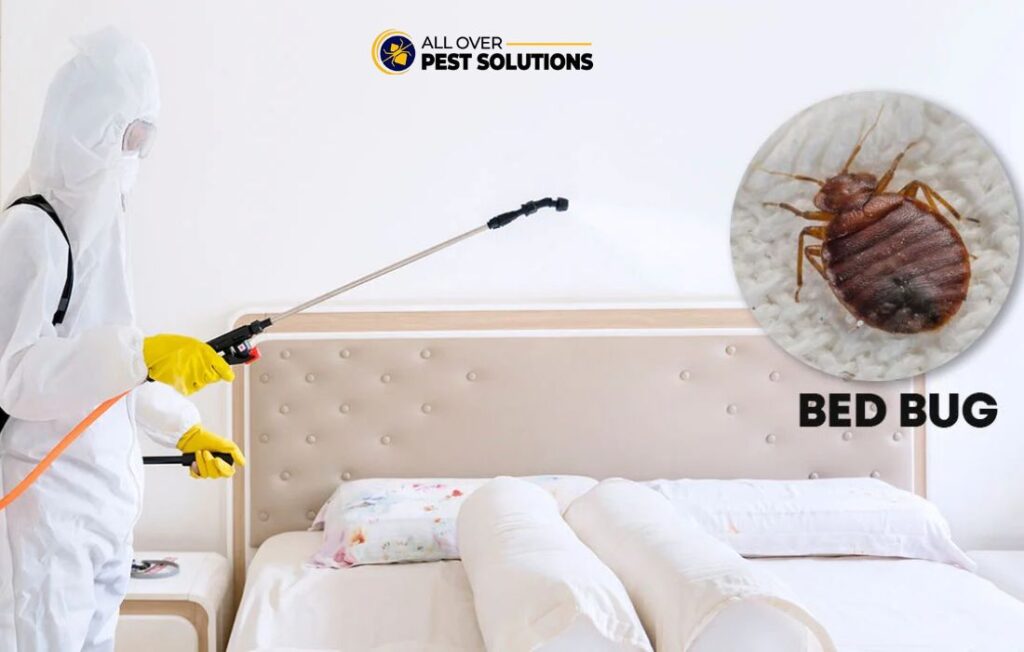
Achieving a restful night’s sleep is a fundamental pillar of health, yet for many homeowners, this peace is under constant threat from one of the most resilient pests in existence. Bed Bugs Pest Control is more than just a service it is a necessity for maintaining a hygienic and stress-free living environment. These tiny, nocturnal hitchhikers don’t discriminate they can infest the most spotless of homes, entering through luggage, used furniture, or even public transport. Once they settle into your mattress seams and bed frames, they begin a cycle of feeding and reproduction that can quickly turn into an overwhelming nightmare. Understanding the biology of these insects and the importance of professional bed bugs control is the first step toward reclaiming your sanctuary and ensuring your family can sleep soundly once again.
The Growing Challenge of Bed Bugs in 2026
As we move through 2026, the resurgence of global travel and the increasing density of urban living have made bed bug infestations a common issue across Victoria. These pests have evolved to be incredibly hardy, showing increasing resistance to standard over-the-counter sprays. This is why bed bugs control melbourne specialists emphasize a multi-faceted approach. Unlike other pests that are attracted to food waste, bed bugs are drawn solely to the carbon dioxide and body heat of their human hosts. Because they hide in microscopic cracks during the day and only emerge in the deepest hours of the night, many homeowners don’t even realize they have a problem until the population has reached a critical mass.
Identifying the Silent Warning Signs
Early detection is the most powerful tool in bed bugs control. While the most obvious sign is waking up with small, itchy red welts on your skin, these reactions can sometimes take days to appear, or some people may not react at all. You must look for physical evidence in your sleeping quarters. This includes tiny dark spots of excrement on your sheets, translucent shed skins left behind as the nymphs grow, or even small blood smears on pillows. Professionals use specialized tools like high-powered flashlights and magnification to inspect “harborage sites”—the seams of mattresses, the joints of bed frames, and even behind electrical faceplates and picture frames where bed bugs feel most secure.
The Limitations of DIY Solutions
It is tempting to reach for a retail aerosol can the moment you spot a bug, but in the world of Bed Bugs Pest Control, DIY attempts often do more harm than good. Standard bug sprays are often repellent in nature; they don’t kill the entire colony but instead cause the bugs to scatter deeper into wall voids and adjacent rooms. This fragmentation makes the eventual professional treatment much more difficult and expensive. Furthermore, store-bought chemicals rarely affect bed bug eggs, which are coated in a protective substance that shields them from liquids. Without a treatment that breaks the entire life cycle, you are simply hitting the pause button on an infestation that will return in a matter of weeks.
Professional Strategies for Total Eradication
When you engage a specialist for bed bugs control melbourne, you are getting a scientific solution tailored to the specific biology of the pest. Modern professionals utilize Integrated Pest Management (IPM) which combines several high-tech methods:
Heat Treatment (Thermal Remediation): Bed bugs at all life stages, including eggs, die instantly when exposed to temperatures above 60°C. Using specialized heaters, pros can raise the temperature of a room to a lethal level that penetrates deep into furniture and flooring.
Steam Applications: Targeted high-temperature steam is used on delicate surfaces like mattresses and upholstery, killing bugs on contact without leaving harmful chemical residues.
Residual Insecticides and IGRs: Professionals apply industrial-grade residual sprays and Insect Growth Regulators (IGRs) that prevent young bugs from reaching reproductive maturity, effectively “sterilizing” the population.
Protecting Your Home Post-Treatment
Eradication is only half the battle; prevention is what keeps your sleep quality high in the long term. After a professional Bed Bugs Pest Control service, it is highly recommended to install high-quality, bed bug-proof mattress and box spring encasements. These zip-up covers trap any surviving bugs inside (where they eventually starve) and prevent new ones from nesting in the fabric. Additionally, practicing travel hygiene such as never placing luggage on hotel beds and immediately washing travel clothes in hot water (60°C) upon returning home will significantly reduce the risk of re-introducing these persistent hitchhikers into your Melbourne home.
Frequently Asked Questions:
1. Can bed bugs travel between apartments in a building?
Yes, bed bugs are excellent crawlers and can easily move through wall voids, electrical conduits, and plumbing gaps. If you live in a multi-unit complex in Melbourne, it is often recommended that adjacent units be inspected simultaneously to ensure the infestation hasn’t spread next door.
2. How long do I need to stay out of the house after treatment?
For standard chemical treatments, you typically need to vacate the treated rooms for 4 to 6 hours to allow the products to dry completely and the room to be properly ventilated. Your bed bugs control technician will provide specific instructions based on the products used.
3. Do I need to throw away my mattress?
In most cases, no! With modern bed bugs control melbourne techniques and the use of high-quality encasements, even infested mattresses can usually be saved. This saves you the high cost of replacement and the logistical headache of disposing of infested furniture safely.
4. Why am I still seeing bugs a week after the first treatment?
Bed bug eggs can take 7 to 10 days to hatch. While a professional treatment kills the active bugs, a follow-up visit is usually scheduled to catch any newly hatched nymphs before they have a chance to feed or reproduce. Consistency is key to total eradication.
5. Are bed bug bites dangerous to my health?
While bed bugs are not known to transmit blood-borne diseases to humans, their bites can cause secondary skin infections from scratching. The most significant impact is often psychological—the “social stigma” and the severe sleep deprivation caused by the anxiety of being bitten can take a heavy toll on your mental well-being.