
Bed Bugs Pest Control: Reclaim Your Sleep with Expert Solutions

Rodent and Pest Control: Prevent Fires and Health Risks Today
April 28, 2026
Rodent and Pest Control: Effective Solutions for Attic Pests
May 7, 2026
The sanctity of the bedroom is defined by comfort, relaxation, and most importantly, undisturbed rest. However, for many homeowners in Victoria, this peace is being systematically dismantled by an ancient and resilient adversary. Bed bugs, the nocturnal hitchhikers of the insect world, have seen a significant resurgence in 2026, driven by global travel and a growing resistance to traditional chemical treatments. Understanding the complexities of an infestation is the first step toward recovery. While the psychological toll of sharing your bed with blood-feeding insects can be overwhelming, the path to a pest-free home is paved with scientific methodology and professional expertise. Reclaiming your sleep requires moving beyond superficial fixes and embracing a comprehensive strategy that addresses the biology, behavior, and hidden strongholds of these persistent pests.
The Biological Resilience of Modern Bed Bugs
To effectively combat these insects, one must first understand their unique evolutionary advantages. Bed bugs are not attracted to filth; they are attracted to the carbon dioxide and body heat emitted by a sleeping human. This means that even the most pristine, high-end Melbourne apartments are susceptible to an outbreak. These insects possess a flat, oval-shaped body that allows them to slide into cracks as thin as a credit card, making them nearly impossible to find during a casual daytime walkthrough. Their life cycle is also built for survival; a single female can lay hundreds of eggs in her lifetime, and in the absence of a host, adult bugs can enter a state of semi-dormancy, surviving for months without a meal. This biological “staying power” is why a professional approach to bed bugs pest control is non-negotiable for long-term success.
Identifying the True Scope of an Infestation
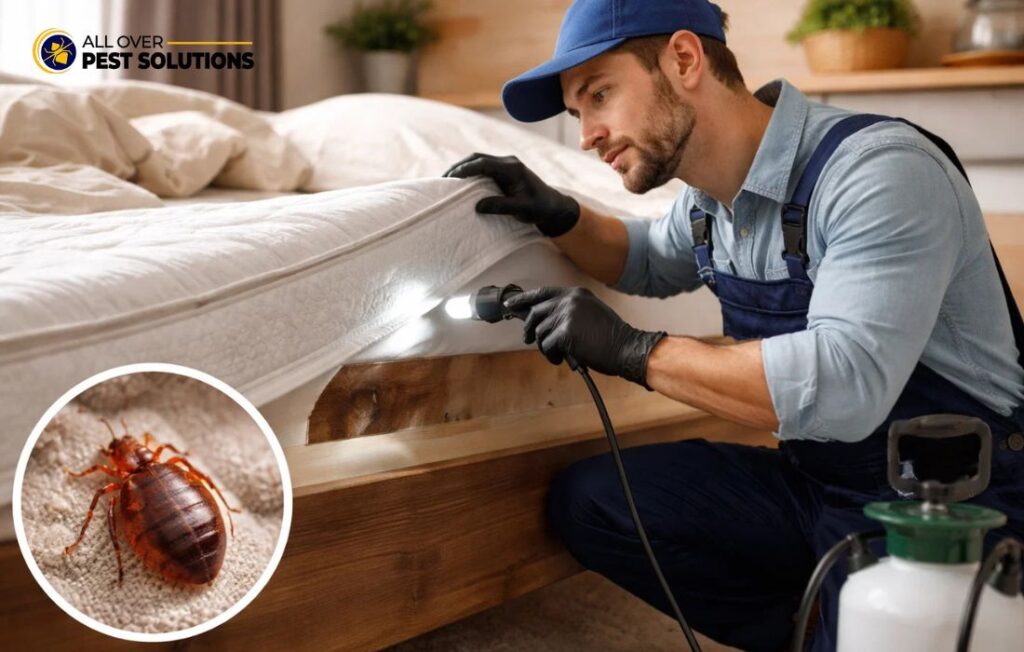
Many people associate an infestation only with visible bites, but since different people react differently to the saliva of the bug—with some showing no marks at all visual confirmation of the insects themselves is the gold standard for diagnosis. Professionals look for pepper spots, which are small droplets of digested blood left behind on mattress seams, bed frames, and even behind headboards. You might also find translucent exuviae, the discarded exoskeletons shed by nymphs as they progress through their five life stages. Because these pests are photophobic, they avoid light at all costs, often nesting deep within the structural joints of furniture or behind electrical faceplates. Identifying these harborage sites early is critical to stopping the spread to other rooms in the house.
The Limitations of Retail Pesticides and Home Remedies
The immediate reaction to finding a bug is often a trip to the local hardware store for an aerosol spray. Unfortunately, 2026 data suggests that many populations have developed “knockdown resistance” to common pyrethroids found in retail products. These sprays often act as a repellent rather than a lethal agent, causing the colony to scatter deeper into wall voids or move into adjacent rooms, such as the living area or secondary bedrooms. Furthermore, home remedies like essential oils or “bug bombs” fail to reach the microscopic eggs tucked away in protected crevices. Without a treatment that can penetrate these voids and break the reproductive cycle, the infestation will inevitably return, often more aggressively than before.
High-Tech Thermal Remediation and Steam Solutions
One of the most effective weapons in the modern arsenal of bed bugs control melbourne is the use of lethal heat. Bed bugs at all stages of life, including the highly resilient eggs, cannot survive exposure to temperatures above 60°C. Professional heat treatments involve using industrial-grade heaters to raise the ambient temperature of a room to a specific range, maintained for several hours to ensure the heat penetrates deep into mattresses, sofas, and flooring. For more targeted applications, high-temperature “dry steam” is used to treat delicate fabrics and upholstery. This method is particularly favored because it is non-toxic and allows residents to return to their rooms shortly after the service, providing an immediate and eco-friendly solution to a complex problem.
Integration with Other Pest Management Needs
While focusing on sleeping quarters is the priority, a holistic view of home hygiene often reveals other vulnerabilities. For example, homes with high levels of clutter or structural gaps can unintentionally invite a variety of intruders. While we are addressing the mattress and bed frame, it is often wise to inspect the perimeter of the home for signs of other active pests. Many homeowners find that maintaining a regular schedule for bed bugs control helps in identifying entry points that various pests including bed bugs might use to navigate through a building. Ensuring that your home’s “envelope” is sealed against rats and mice often has the secondary benefit of reducing the pathways used by insects to travel between apartments or rooms.
Post-Treatment Safeguards and Long-Term Prevention
Eradication is a significant victory, but preventing a re-infestation is where true peace of mind is found. After a professional treatment, the installation of certified bed bug-proof mattress encasements is a critical step. These specialized covers trap any missed bugs inside and prevent new ones from finding a home in your expensive mattress. Additionally, practicing “travel hygiene” is essential; when staying in hotels, always keep your luggage on a raised rack rather than the floor or bed, and upon returning to Melbourne, immediately wash and dry your travel clothes on the highest heat setting. This simple routine, combined with annual professional inspections, ensures that your home remains a sanctuary where sleep is never interrupted by the threat of pests.
Frequently Asked Questions:
Q1: How do I know if I have bed bugs or if it’s just a different pest?
A: While bites are a common sign, they can look similar to mosquito or flea bites. The definitive way to identify bed bugs is by finding physical evidence. Look for tiny reddish-brown insects (about the size of an apple seed), small dark spots of excrement on your bedding, or translucent shed skins. If you are unsure, a professional bed bugs pest control inspection is the most reliable way to confirm an infestation.
Q2: Can I get rid of bed bugs by just throwing away my mattress?
A: Unfortunately, no. Bed bugs don’t just live in mattresses; they hide in bed frames, headboards, electrical outlets, and even behind baseboards. If you throw away your mattress without treating the rest of the room, the bugs hiding elsewhere will simply infest your new mattress. It is much more cost-effective to treat the area professionally and use a high-quality encasement.
Q3: Are professional bed bug treatments safe for my children and pets?
A: Yes. Modern bed bugs control melbourne services prioritize safety by using Integrated Pest Management (IPM) techniques. This often includes non-toxic methods like high-temperature steam and thermal remediation. If a residual spray is required, technicians use low-toxicity, odorless products and will provide clear instructions on when it is safe to re-enter the room.
Q4: Why do I need a follow-up inspection after the first treatment?
A: Bed bug eggs are incredibly resilient and can sometimes survive initial chemical treatments. A follow-up visit, usually scheduled 10 to 14 days later, ensures that any newly hatched nymphs are eliminated before they have a chance to feed or reach reproductive age. This “double-hit” strategy is essential for total eradication.
Q5: Is it possible for rodents to bring bed bugs into my home?
A: While bed bugs usually enter a home by hitchhiking on luggage or used furniture, a general lack of home maintenance can lead to multiple issues. In Melbourne, maintaining effective bed bugs control is part of a healthy home strategy. While rats don’t typically carry bed bugs, the entry points and wall voids they create can allow various pests to travel more easily between rooms or neighboring properties.